
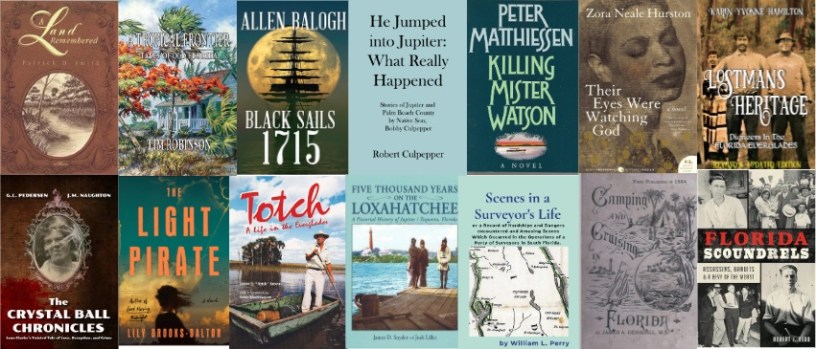
The other day I was looking at my Florida bookshelf (yes, I have an entire large bookshelf devoted to Florida), and I thought that I should share some of these great books with my readers.
There is some fiction, some creative non-fiction, and a few memoirs. So here are 21 of some good reading set in Florida.
The books are no particular order. The links mostly lead to Amazon. I’ll add another list soon.
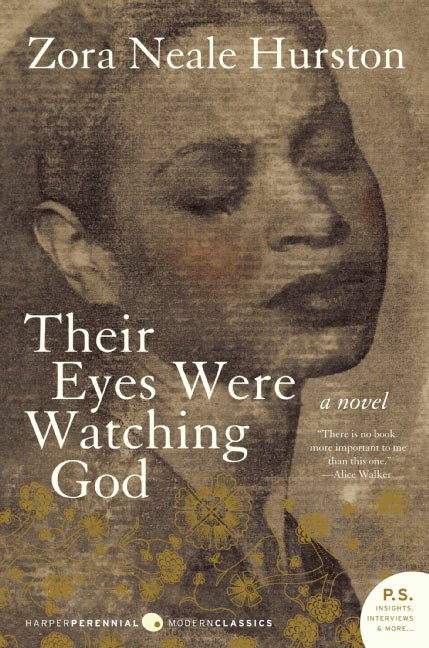
Their Eyes Were Watching God by Zora Neale Hurston
Fair and long-legged, independent and articulate, Janie Crawford sets out to be her own person—no mean feat for a black woman in the ’30s. Janie’s quest for identity takes her through three marriages and into a journey back to her roots.
Written in 1937, and praised by white book reviewers for being a “rich and racy love story, if somewhat awkward” and criticized by black critics for not writing fiction in the protest tradition. One of the most important and enduring books of the twentieth century, Their Eyes Were Watching God brings to life a Southern love story with the wit and pathos found only in the writing of Zora Neale Hurston.
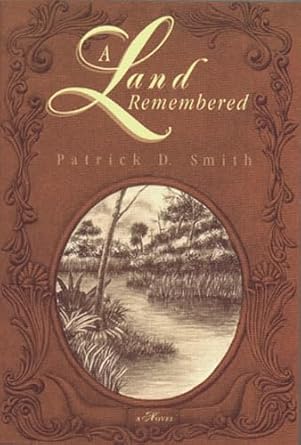
A Land Remembered
by Patrick D Smith
In this best-selling novel, Patrick Smith tells the story of three generations of the MacIveys, a Florida family who battle the hardships of the frontier to rise from a dirt-poor Cracker life to the wealth and standing of real estate tycoons. The sweeping story that emerges is a rich, rugged Florida history featuring a memorable cast of crusty, indomitable Crackers battling wild animals, rustlers, Confederate deserters, mosquitoes, starvation, hurricanes, and freezes to carve a kingdom out of the swamp. But their most formidable adversary turns out to be greed, including finally their own. Love and tenderness are here too: the hopes and passions of each new generation, friendships with the persecuted blacks and Indians, and respect for the land and its wildlife.

A Tropical Frontier, Tales of Old Florida
by Tim Robinson
The Southern Frontier: A road-less, watery wilderness, uninviting to all but the most stouthearted and adventurous. As great cities were springing up in places like St. Louis, Denver, and San Francisco, the lower peninsula of Florida endured. Here, the panther, the alligator, and the bald eagle remained safe from the restless, meddlesome hands of civilization, continuing as they had for eons past. Renegade Indians, pirates, hurricanes, and man-eating animals – not to mention venomous snakes and bloodthirsty hordes of mosquitoes – reigned supreme. It took a certain kind of person to boldly venture into such an inhospitable environment where a man had only himself and his family upon which to depend. It took men and women with not only vision, but backbone and grit, people like the MacLeods, Dawsons, and Hackensaws, true pioneers who confronted whatever came their way, together, as a family. From shipwrecks to Indian uprisings to buried treasure, blockade runners to murderous beach tramps, and the sad, lonely life of the solitary beachcomber, Tales of Old Florida takes the reader back to a singular time and place that will never be seen again. Above all, Tales of Old Florida is an epic saga of survival and prosperity, love and love lost, and most important, the power of the human spirit to prevail.

Man Overboard: Captain Fizz and the Treasure Bizz
by Carl Fismer (Author), Sam Milner (Author), Seajay Milner (Illustrator)
To quote author, Randy Wayne White: “Captain Carl Fismer is a legend in a business that has many pretenders but few true professionals. During his 40 year career, Captain Fizz, as he is known, worked over 300 shipwrecks in Florida, the Bahamas, the Indian Ocean, and Central and South America, recovering millions in Spanish gold, silver, jewels, and other artifacts. For years, he partnered with treasure historian Jack Haskins and was Mel Fisher’s choice to direct part of the salvage diving of the Santa Margarita, sister ship to the Atocha, so it was no surprise that he was awarded the Mel Fisher Lifetime Achievement Award in 2010.”
“Man Overboard” is filled with treasure hunting stories told by the master storyteller himself, Carl “Captain Fizz” Fismer. The book is co-authored by Sam Milner who recorded the stories with his wife and artist, Seajay Milner.

Five Thousand Years on the Loxahatchee: A Pictorial History of Jupiter/Tequesta, Florida
by James D. Snyder and Josh Liller
The story of how a river and a lighthouse spawned and sustained successive generations of Native Americans, explorers, traders, and farmers and how they spread from Jupiter Inlet to encompass nearly 100,000 residents. As ever, the challenge of each new generation is whether the delicate watershed can continue to accommodate the relentless demands of those who come to share in its abundance. A history of Jupiter, Tequesta, and the Loxahatchee River with 276 photos. Produced in conjunction with the local historical society.
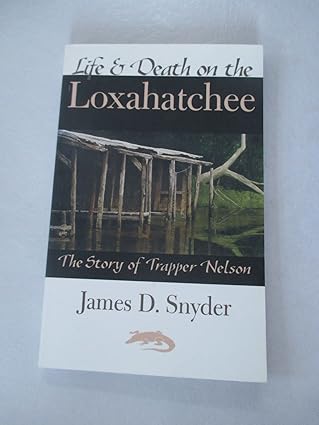
Life and Death on the Loxahatchee: The Story of Trapper Nelson
by James D. Snyder
He began life as the sickly son of a landless Polish immigrant. In the next sixty years he was to wrest from the wilderness a thousand acres along Florida’s most breathtaking jungle river. At age 25 Vince Nelson “disappeared” up the wild and scenic Loxahatchee to escape the glare of publicity after his brother had killed a fellow trapper in a dispute over money. After carving our a cabin, dock and outbuildings, he opened “Trapper’s Zoo and Jungle Garden.” Over the years be became known as The Legend of the Loxahatchee, with as many faces as the people who thought they knew him. Trapper, hunter, alligator wrestler, gambler, snake charmer, woman charmer, voracious reader, the man who once sought recluse became famous as wealthy socialites arrived in yachts to tour his expanding property and savor his tales of life in the wilderness. Suddenly this real-life Tarzan’s life ended as mysteriously as he lived it. On a steamy July day in 1968, Vince Nelson was found dead of a shotgun blast on his jungle complex.
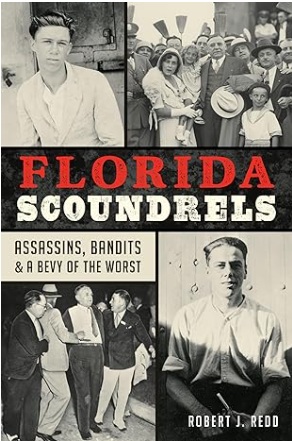
Florida Scoundrels: Assassins, Bandits & a Bevy of the Worst
by Robert J. Redd
Swaying palms, sandy beaches and the promise of a good life have beckoned generations to Florida. But the Sunshine State’s allure is appealing to the upstanding and vile in equal measure. A key member of the Abraham Lincoln assassination conspiracy moldered in Florida soil―the same goes for the failed assassin of Franklin D. Roosevelt. Henry Flagler pushed the Florida legislature to alter divorce law so he could extricate himself from one marriage and start anew with a woman nearly four decades his junior. The Ashley Gang left a trail of bank robberies, stolen cars and dead bodies across South Florida. And from bootleggers to land boom con men to especially aggressive insurance fraudsters, Floridians have a history of making money the dirty way.

Black Sails 1715
by Allen Balogh
The year is 1715.
A fleet of eleven Spanish galleons loaded with gold from the New World is struggling to stay afloat in the grips of a violent hurricane. The Spanish galleons disappeared with a thousand passengers and its 14 million-dollar treasure.
Factual settings and exploits from the Age of Piracy are intertwined with realistic dialogue based on research and a historian’s point of view. Henry Jennings and Charles Vane plot to steal gold from the Spanish soldiers off the coast of Florida. Black Sam Bellamy and Paulsgrave Williams have a different plan for them.

The Crystal Ball Chronicles: Lena Clarke’s Twisted Tale of Love, Deception, and Crime
by Ginger L. Pedersen, Janet M. Naughton
Ambitious young reporter Kate Brennan thought she had found a tranquil paradise. Instead, a fateful meeting with Lena Clarke, the spinster postmistress of West Palm Beach, Florida, entangles Kate in Lena’s mysterious and delusional life. Clarke’s obsession with snakes, foreign spies, and the supernatural led to one of 1921’s most bizarre crime sprees.
This true crime story recounts Lena Clarke’s downfall following the tragic death of her most trusted confidant. As officials closed in on Clarke’s scheme, she fled and hid out in an Orlando, Florida hotel room where she unleashed a night of terror.
In the spirit of In Cold Blood and Midnight in the Garden of Good and Evil, this haunting tale from Florida Authors and Publishers Association and Historical Society of Palm Beach County award-winning authors G.L. Pedersen and J.M. Naughton will appeal to true crime and mystery novel fans of all ages.
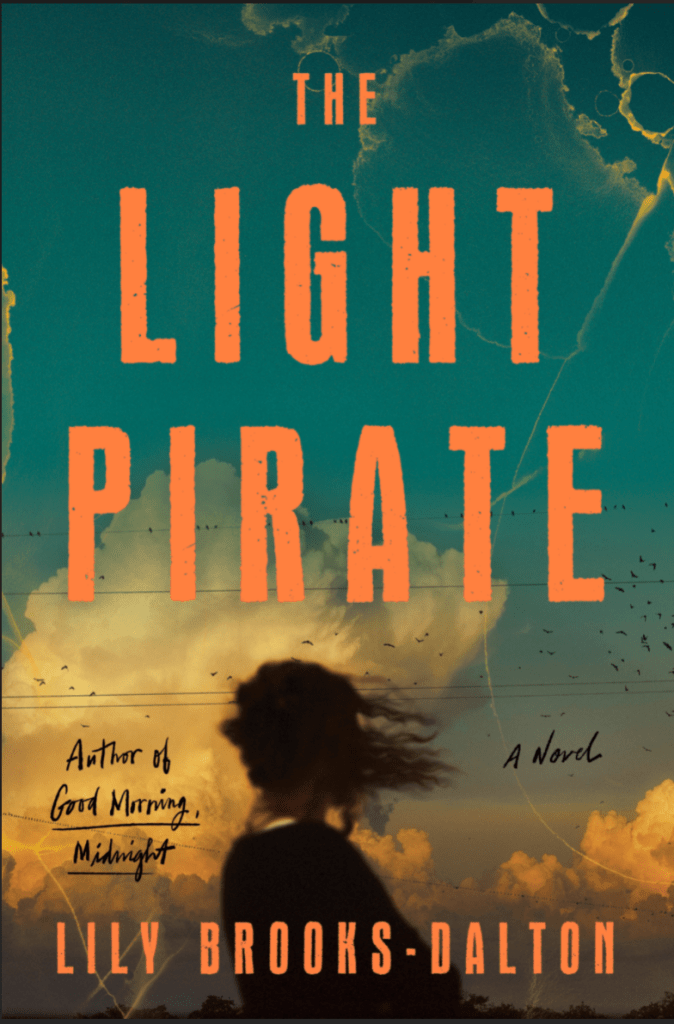
The Light Pirate
by Lily Brooks-Dalton
Florida is slipping away. As devastating weather patterns and rising sea levels gradually wreak havoc on the state’s infrastructure, a powerful hurricane approaches a small town on the southeastern coast. Kirby Lowe, an electrical line worker; his pregnant wife, Frida; and their two sons, Flip and Lucas, prepare for the worst. When the boys go missing just before the hurricane hits, Kirby heads out into the high winds to search for them. Left alone, Frida goes into premature labor and gives birth to an unusual child, Wanda, whom she names after the catastrophic storm that ushers her into a society closer to collapse than ever before.
As Florida continues to unravel, Wanda grows. Moving from childhood to adulthood, adapting not only to the changing landscape, but also to the people who stayed behind in a place abandoned by civilization, Wanda loses family, gains community, and ultimately, seeks adventure, love, and purpose in a place remade by nature.
Told in four parts—power, water, light, and time—The Light Pirate mirrors the rhythms of the elements and the sometimes quick, sometimes slow dissolution of the world as we know it. It is a meditation on the changes we would rather not see, the future we would rather not greet, and a call back to the beauty and violence of an untamable wilderness.

Category 5: The 1935 Labor Day Hurricane
by Thomas Neil Knowles
In the midst of the Great Depression, a furious storm struck the Florida Keys with devastating force. With winds estimated at over 225 miles per hour, it was the first recorded Category 5 hurricane to make landfall in the United States. Striking at a time before storms were named, the catastrophic tropical cyclone became known as the 1935 Labor Day Hurricane, and its aftermath was felt all the way to Washington, D.C. In the hardest hit area of the Florida Keys, three out of every five residents were killed, while hundreds of World War I veterans sent there by the federal government perished.
By sifting through overlooked official records and interviewing survivors and the relatives of victims, Thomas Knowles pieces together this dramatic story, moment by horrifying moment. He explains what daily life was like on the Keys, why the veteran workforce was there (and relatively unprotected), the state of weather forecasting at the time, the activities of the media covering the disaster, and the actions of government agencies in the face of severe criticism over their response to the disaster.
The Labor Day Hurricane of 1935 remains one of the most intense to strike America’s shores. Category 5 is a sobering reminder that even with modern meteorological tools and emergency management systems, a similar storm could cause even more death and destruction today.
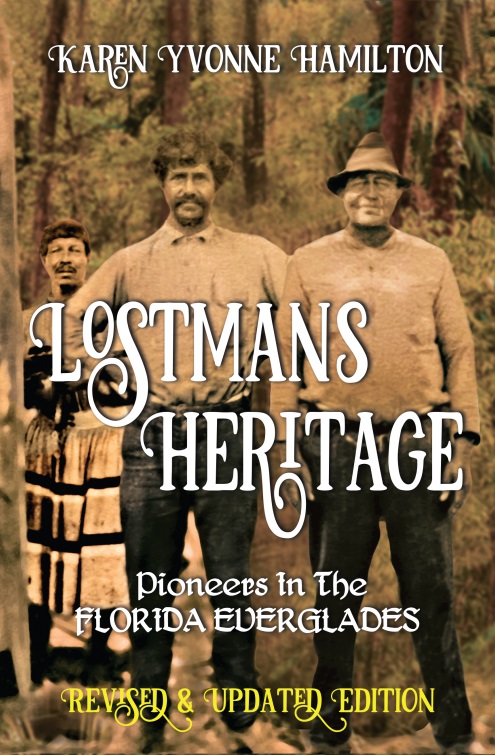
Lostmans Heritage: Pioneers in the Florida Everglades
by Karen Yvonne Hamilton
Silver medal winner in the Annual 2021 Florida Authors and Publishers Association President’s Book Awards.
The men and women who settled in the Florida Everglades before the Civil War thrived in an environment that was dangerous and wild and ever changing. While others came and went, the pioneers faced every challenge nature and man threw at them and carried on. They may have migrated from island to island now and again, but the Everglades were their home. And they did what they had to do to survive. Lostmans Heritage follows the author’s journey as she searches for her ancestors from the slave country of Savannah to the wilds of the Florida Everglades. Her story begins with her ancestor, Richard Hamilton, an extraordinary and dangerous man, a man who, against all odds, untangled himself from the bonds of slavery and began a family and a life in the Ten Thousand Islands. Hamilton follows Richard and other island residents to the ending of an era when the National Park Service evicted them all. Along the way she uncovers secrets and stories, polygamy, bootlegging, fist fights, murders, gangsters, killers, and tales of tomahawks and missing school teachers.
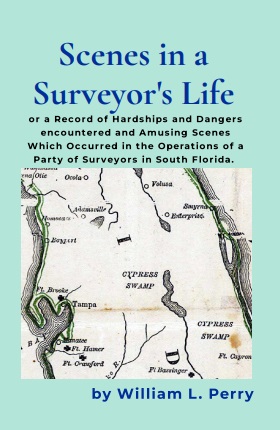
Scenes in a Surveyor’s Life
by William Perry (Author), Karen Yvonne Hamilton (Editor)
Yesterday Press is dedicated to reprinting titles that are in the public domain and offering them to the public in order to share history and preserve the stories and records of the past.
From William L. Perry, 1859: “The following pages contain a record of the dangerous and exciting, as well as amusing scenes encountered by a party of surveyors in South and East Florida, whilst engaged in the labor of laying out the public domain. When the heavens open and the rains descend, the settler enters his log-cabin, unpretending as it is, and he is secure from the beating storm. Under similar circumstances, the surveyor has no alternative but to lay his troubled head on a soft lightwood knot, his body on the wet ground, and let it rain, thanking his stars it isn’t a hailstorm instead of a rain. Such are some of the advantages of the frontier settler over the public land surveyor, briefly stated. I will not tax the time or patience of the reader in adducing others, but proceed at once to the object in view, which is simply to give an unvarnished historical account of a tramp of the writer and others in a survey of Government land in South Florida, and some of the many adventures connected with it. The kind reader, who patiently follows me through, will find recorded many hardships, and dangerous, exciting, as well as amusing scenes, which transpired while we were engaged in that work, and which I trust, may prove of interest to while away an hour of leisure.”

Home Life in Florida 1889
by Helen Harcourt (author), Karen Yvonne Hamilton (editor)
Yesterday Press is dedicated to reprinting titles that are in the public domain and offering them to the public in order to share history and preserve the stories and records of the past.
Originally published by LOUISVILLE, KY. JOHN P. MORTON & COMPANY. 1889. Prepare to be transported back to the pioneer days of Florida. This 1889 author presents the varieties of homesteading in Florida with candor, humor, and practical advice for the aspiring Florida pioneer. Learn how to farm, fish, build homesteads and furniture to put in the homestead. Learn how to deal with pests, mosquitos, alligators, and all of the other flora and fauna unique to the state. The author states, “Those who know Florida as she is, are those who love her best, and are most willing to tell the truth about her, without fear or favor.” In that she succeeds perfectly. This book is full of fascinating detailed information about life in Florida in the late 19th century.
From the original book (1889): “It is not well to venture into unknown regions blindfold, as it were. That sound old admonition to “Look before you leap” is full of good common sense, and yet it is passed by unheeded more frequently than one can well realize.

Life and Adventures in South Florida, 1906
by Andrew P. Canova (author)
Originally published by Tribune Printing Co., Tampa, Florida, 1906.
Canova writes of his personal experiences and observations as a private soldier during the Indian war (1855-8) in the extreme southern portion of Florida.
He writes of his time in the Everglades and the Florida Keys with clarity and oftentimes amusement.
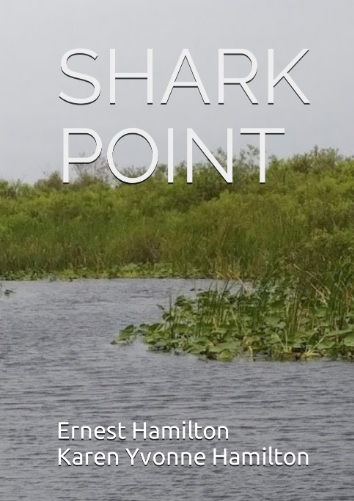
Shark Point
by Ernest E Hamilton (Author), Karen Yvonne Hamilton (Contributor)
Based on the true story of William “Buddy” Hamilton, who disappeared near Shark Point in February 1932 while on a hunting trip. The author reimagines the story of the father he never met in this fictional tale of what might have happened.
Deep in the Florida Everglades during the great economic depression of 1932, Florinda Harrison fretted with the dreadful decision she had to make. Life without Buddy was unendurable. It had now been ten months since he went on the fateful hunting trip from which he hadn’t returned. She knew she and her three small children desperately needed help if they were to survive in this harsh environment. One small hope remained; there were rumors of a ‘white-man’ living with Indians near Lake Okeechobee. Deputy Sheriff, Jim Harrison, her father-in-law, had gone to investigate. She must hold out for awhile longer – could she?
He Jumped into Jupiter: What Really Happened
by Robert Culpepper, former Palm Beach County Commissioner and Mayor of Jupiter
Palm Beach County Native, Bobby Culpepper, tells “what really happened” in his memoir of his time growing up and becoming involved in the development of the town of Jupiter and Palm Beach County.
Culpepper was born in Kelsey City (Lake Park), served as the mayor of Jupiter from 1966 to 1968, was a Palm Beach commissioner from 1968 to 1976, and was instrumental in acquiring land for public use in Palm Beach County, among many other community improvements and endeavors.
“Some of the public parks and beaches that exist in Palm Beach County today may not have ever been public had it not been for his efforts during the 1970s to promote opening access and buying, through public bonds, beachfront property,” says Gayle Pallesen.

Camping and Cruising in Florida 1878-1881
by Dr. James A Henshall (Author), Karen Yvonne Hamilton (Editor)
Dr. Henshall chronicles his adventures on the Blue Wing to South Florida in 1878 and more tales of adventure on the Rambler in 1881 from Jacksonville to Key West and many points in between, including the Treasure Coast, Jupiter, and Lake Worth. Fascinating first hand account of Florida in its pioneering heyday!
From the original 1884 book, “In the following pages of personal adventure I have endeavored to give a faithful account of two winters spent in Southern Florida, as viewed from the standpoint of an angler, a sportsman, a yachtsman, a naturalist, and a physician.”
“Having been accustomed to “camping out” and sailing from boyhood, my plans were soon formed. I decided to proceed at once by rail and steamboat to Titusville, at the head of Indian River, there to obtain a suitable boat, and sail down the east coast to Bay Biscayne and the Florida Keys, and returning over the same route to sail down the St. Johns River to Jacksonville, if time would permit.”

Uncharted Waters: The Life and Times of Captain Fizz
by Carl Fismer and Sam Milner
Here is a book that not only encompasses the lives of long ago adventuresome figures, but also the lives of modern-day adventurers, explorers and treasure-hunters. Thanks to the detailed manifests of the ship’s cargo, which were drawn-up in the triplicate before the fleet left Havana harbor enroute back to Spain, the salvors of sunken Spanish galleons are able to ascertain the amount of treasure still aboard the ships when they went down and whether or not the wrecks had already been salvaged by the Spaniards themselves.

Totch: A Life in the Everglades
by Loren G. Brown
In the mysterious wilderness of swamps, marshes, and rivers that conceals life in the Florida Everglades, Totch Brown hung up his career as alligator hunter and commercial fisherman to become a self-confessed pot smuggler. Before the marijuana money rolled in, he survived excruciating poverty in one of the most primitive and beautiful spots on earth, Chokoloskee Island, in the mangrove keys known as the Ten Thousand Islands located at the western gateway to the Everglades National Park.
Until he wrote this memoir–recollections from his childhood in the twenties that merge with reflections on a way of life dying at the hands of progress in the nineties–Totch had never read a book in his life. Still, his writing conveys the tension he experienced from trying to live off the land and within the laws of the land.
Told with energy and authenticity, his story begins with the handful of souls who came to the area a hundred years ago to homestead on the high ground formed from oyster mounds built and left by the Calusa Indians. They lived close to nature in shacks built of tin or palmetto fans; they ate wild meat, Chokoloskee chicken (white ibis), swamp cabbage, even–when they were desperate–manatee; and they weathered all manner of natural disaster from hurricanes to swarms of “swamp angels” (mosquitoes). In his grandpa’s day, Totch writes, outlaws and cutthroats would “shoot a man down just as quick as they’d knock down an egret, especially if he came between them and the plume birds.”
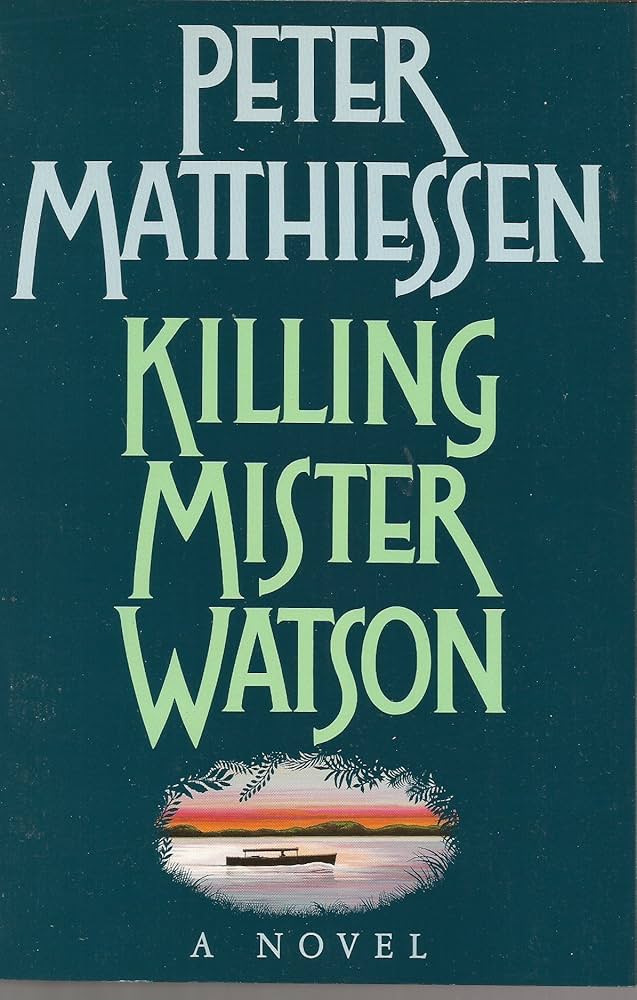
Killing Mister Watson
by Peter Matthiessen
Drawn from fragments of historical fact, Matthiessen’s masterpiece brilliantly depicts the fortunes and misfortunes of Edgar J. Watson, a real-life entrepreneur and outlaw who appeared in the lawless Florida Everglades around the turn of the century.
 Exploring Florida History