
by Karen Yvonne Hamilton, 2025
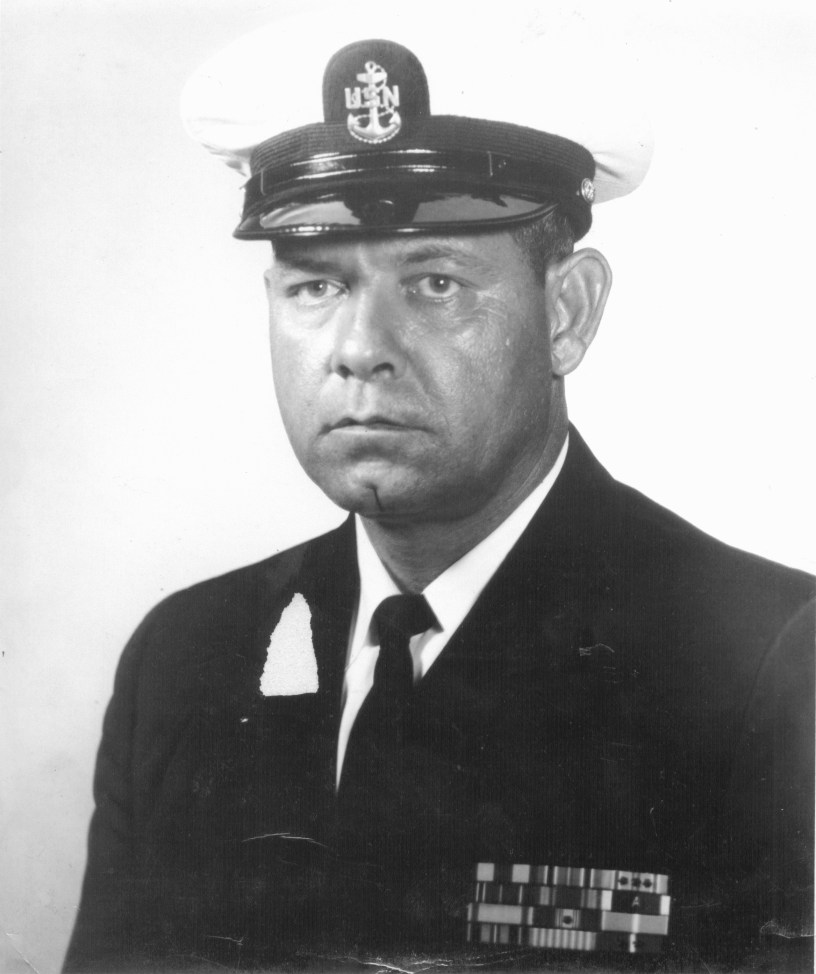
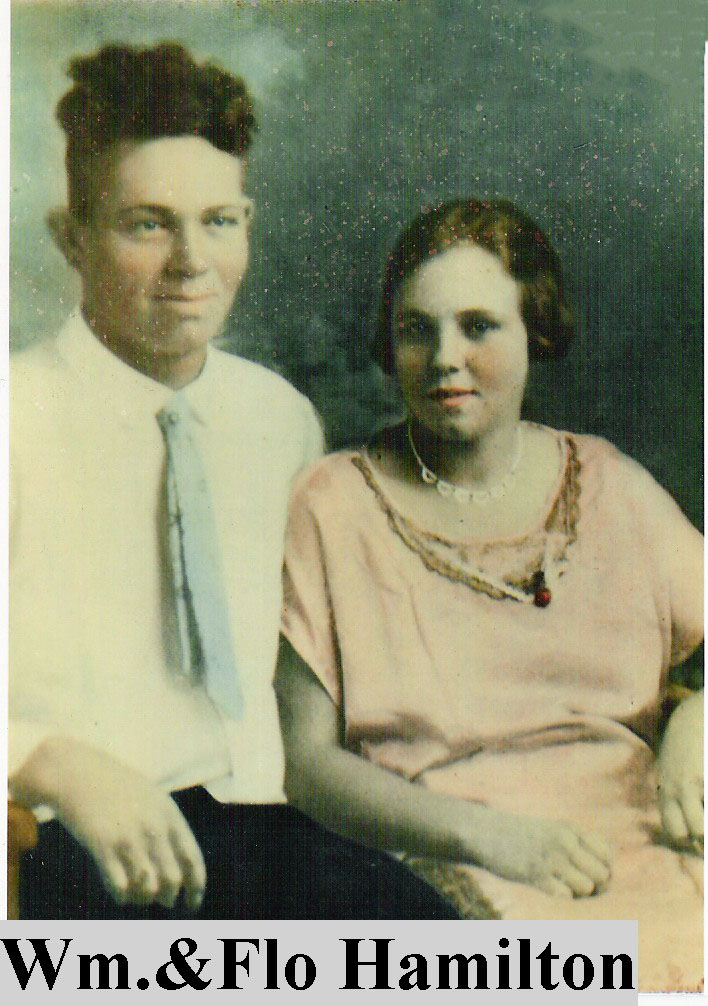
William ‘Bill’ Joseph HAMILTON Jr. was born on November 10, 1926, in Boca Grande, Florida, to William Joseph HAMILTON (1904-1932) and Florinda Marie GOMES (1909-1964).
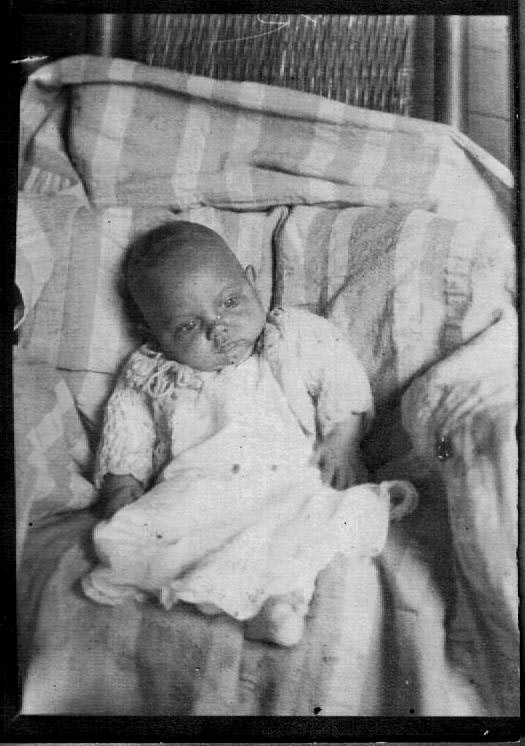


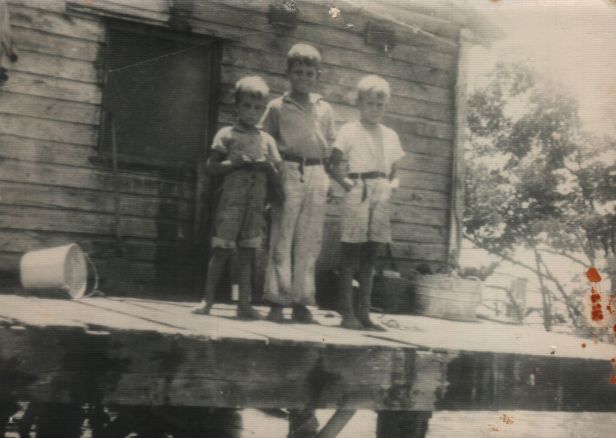
When Bill was 5 years old, his father William Joseph disappeared with his cousin, Robert in the Florida Everglades in January 1932. William “Buddy” was 27 years old. Robert was 22. The search continued for several agonizing weeks for the missing men, but all that was ever found was the skiff they were using that day. By February 13, the Coast Guard discontinued the search for Buddy and Robert. William Joseph Hamilton, Sr. was formally declared dead in 1947.
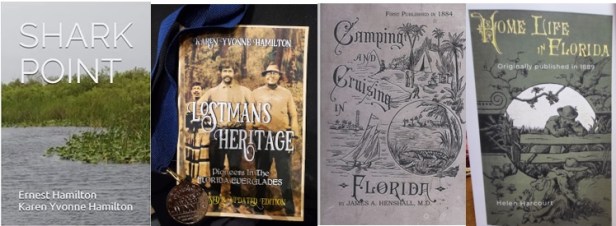
You can read about that story in Lostmans Heritage: Pioneers in the Florida Everglades.
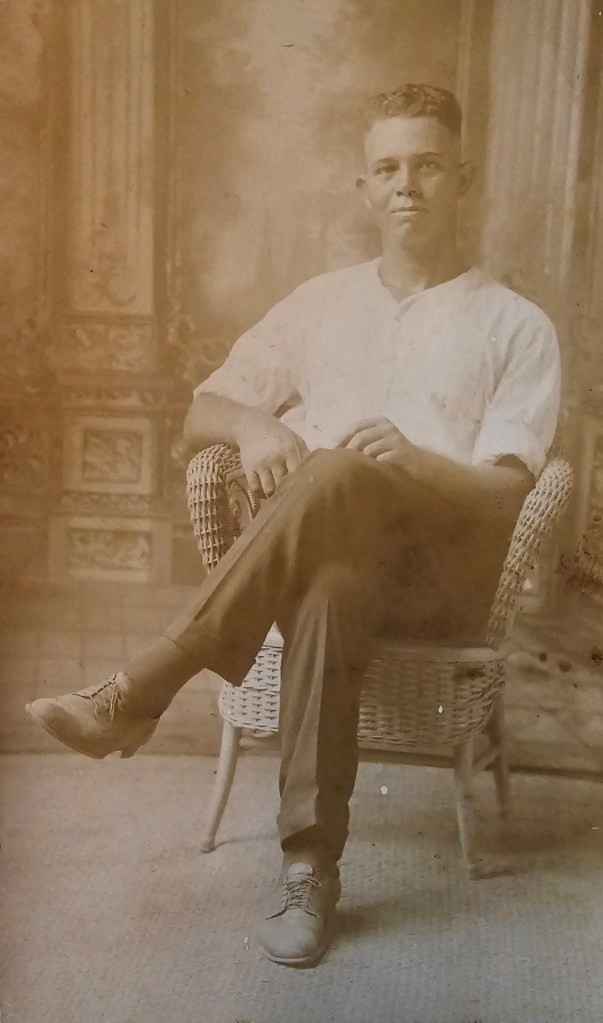

In 1933, Bill’s mother married William David Parker and it was he who helped to raise the boys for a time. Flo and Bill Parker divorced in 1942.
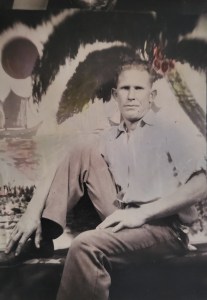
In 1946, Flo married Junius Otto Posey and they had two sons (Bill’s half-brothers).
SIBLINGS
- Francis Salvador Theodore was born on February 2, 1929, in Florida.
- Ernest Eugene was born on September 24, 1932, in Florida.
- half-brother Junius Otto was born on April 3, 1948
- half-brother Paul Thomas was born on December 2, 1951, in Key West, Florida

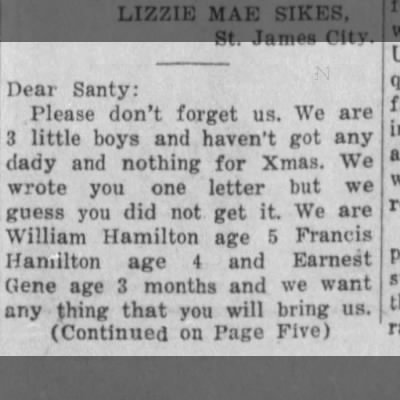
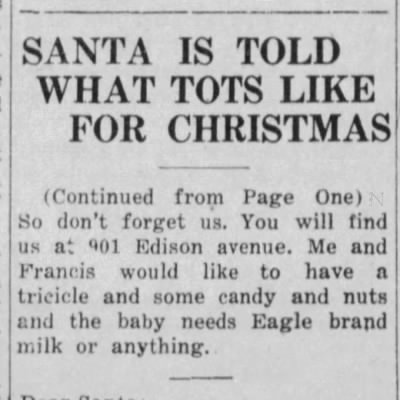
In December 1932, Bill and his little brothers ‘wrote’ a letter to Santa Claus in the Key West Citizen.
MILITARY
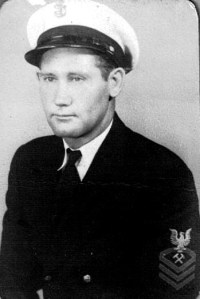
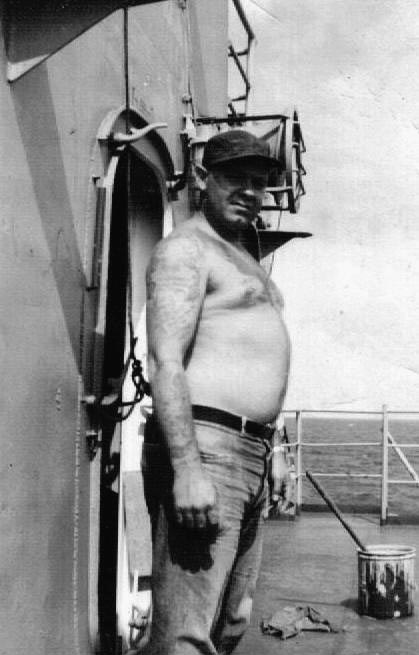
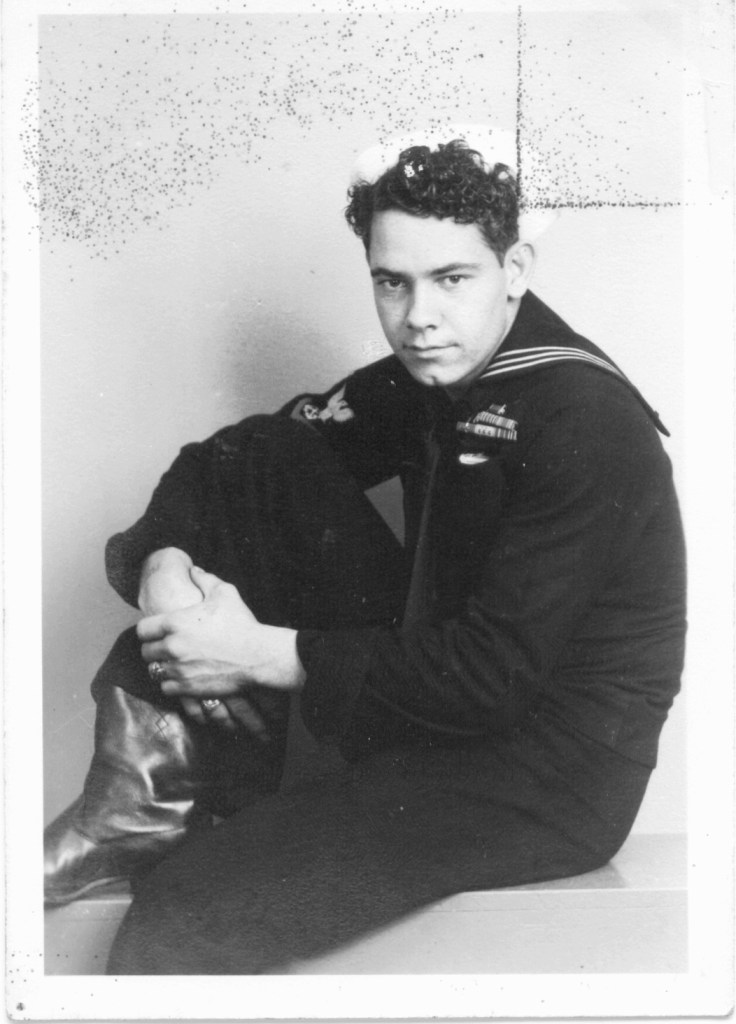
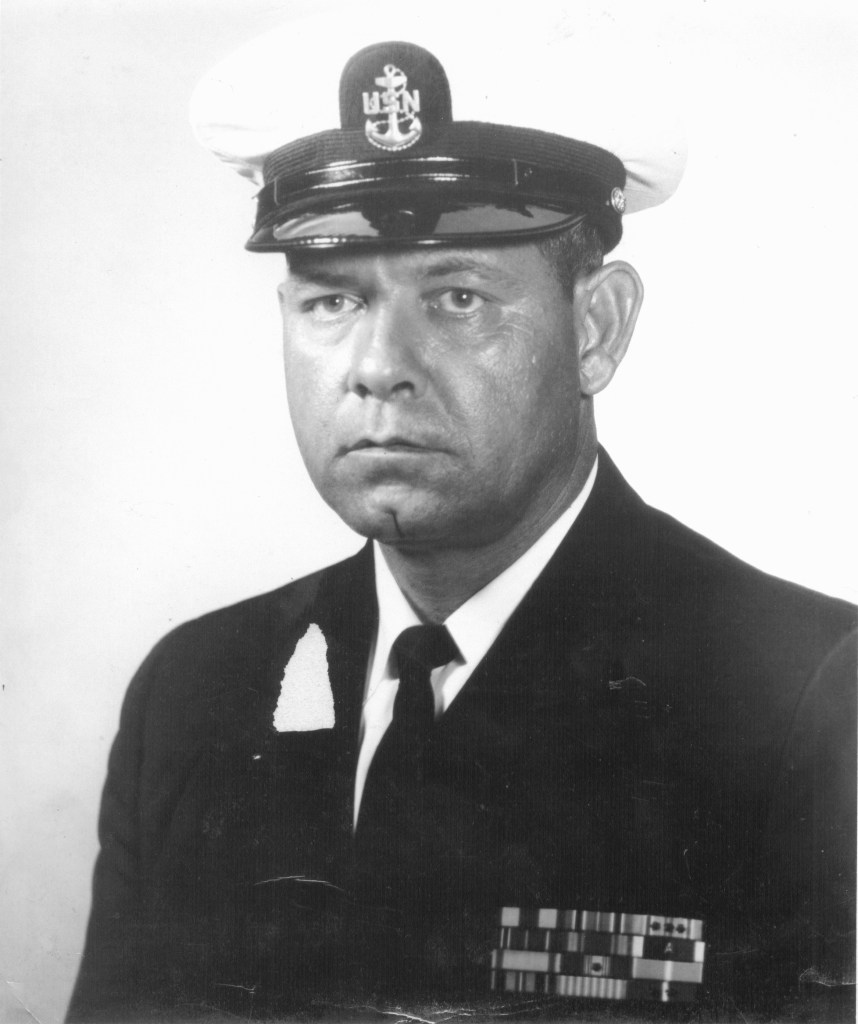
Enlistment Branch Navy, Enlistment Date 24 Sep 1968, Discharge Date 6 Aug 1971
Enlistment Branch 1 Navy, Enlistment Date 1 24 Jun 1949, Discharge Date 1 23 Jun 1953




RESIDENCES
In 1930, Bill lived on Lostmans River in the Florida Everglades with his parents and brother Francis Theordore (Francis is erroneously listed as Theodora, a daughter on the census.)

In 1935, Bill lived with his mother and stepfather, Bill Parker on the outskirts of Ft Myers, Florida. His brothers, Francis and Ernest lived with them.

In 1940, the family lived in Lee County.

GROWING UP IN THE FLORIDA EVERGLADES
From niece, Karen Yvonne Hamilton: Uncle Bill sent me letters in the late 1980s describing growing up in the Florida Everglades. He was a good writer and great storyteller. Here are a few excerpts from his letters.
“My people were fishermen. We traveled and moved to many different places. Wherever the fish were running, we went. We lived in a lot of unpainted shacks and tarpaper sided house or lived right in the boat. One of the places we lived in the late 1930s was Mormon Key. At Mormon Key there were five houses built over cisterns. Four were in a single line near the beach and the one we lived in was sitting on the top of one of the Indian mounds, sitting back about 150 feet from the beach. In other words, pretty close to the middle of the Key.”
“Close to where we lived there were a lot of guava trees and us three boys – me, Francis and Ernest – really loved the fruit. They were big and juicy and had hundreds of seeds in them. We would eat a bunch of them every day and you guessed it…we would get constipated and Mama would use her home remedy on us. She would sit each of us on the potty and then tell us ghost stories.”
“Our main livelihood was fishing, we fished along the river (gill nets) for mullet, and a lot of different kind of fish, we always threw the catfish back in the water, there was no market for catfish then. When we weren’t fishing, we were hunting gators and coons, and when I say we, I mean Bill Parker, my stepdad, and myself. It’s better to hunt gators and coons at night. We had a battery light mounted on a carbide light cap, powered by a 6-volt car battery. We would paddle the river and creeks looking for them and once you spotted their eyes in your light, (it had them blinded as long as you had their eyes in your light), we shot the gators with a 22 rifle. So as not to mess up their hide we’d shoot him between the eyes, it stunned him for a few minutes, then you’d grab him by his mouth and hold his jaws together. Next, you use a long-bladed hunting knife or hatchet and stick it in him right behind his eyes in the center of his back and break his backbone where he couldn’t move around and harm you. Next morning you would skin him, rock salt his hide, roll it up and stow it. A coon you would shoot in the head if possible, skin him, and tack his hide on a square frame to dry. Our skiff that we fished and hunted in was made out of cypress lumber, it made it light where you could pick it up by hand and lift or carry it with not much of a problem.”
“Now living far inland, I think about sitting on a strip of white sand and looking at the ocean, watching the white seagulls and the sun going down behind the sea. I see with misty eyes the vision and memories of the Ten Thousand Islands in the 1930s, the people and families that lived there, Hamilton, Gomes, Padilla, Parker, etc. Coon and gator hunters, clam diggers and, I suppose, desperadoes. We lived in an ole abandoned fish house on the east point of Turkey Key. We had net spreads along the side of the house. It seemed that we always fished at night. We would boat our net and as the twilight blue that held and deepened toward darkness, we moved out and met with other fisherman and made many strikes. A strike is when you put your net down in the water, usually in a circle. In all the world there was only a small vagrant breath of restless night wind, and we would find a clearing and make camp. Then we would build a small fire and have a fire-blackened gallon can of coffee with cold biscuits and fresh fried mullet. After the meal, the men would get out their Bull Burham tobacco and smoke their pipes or brown paper cigarettes.”
“We had an ole 1928-29 dark gray four door Overland sedan with red pinstripes. In the afternoon we put our 12-foot skiff on top of the car. We moved up our shell road and then went along the Tamiami Trail until we came to Tanner Creek. There we floated our skiff and as the sunset sky cooled into grayness and the evening stars began a first faint winking, a chill wind with a smell of frost in it would drift through the mangrove swamps. There we started our hunt for gators and coons. The first gator Bill spotted, he shot it. They don’t float, you have to grab them right away and Bill missed him, and he sank. We searched the small area for it, and finally spotted a stretch of white lying on the bottom of the creek. “Gators have a white belly,” Bill said, “There he is, Junior, slip off your shirt and breeches and go down there and grab him by his mouth and bring him up. I’ll keep the light on him for you. I got in the water and went down and when I got the white object it wasn’t the gator; it was a white pillowcase. I came back up with the pillowcase in hand and surprised Bill as much as it did me. He reached down and jerked me up into the skiff; we were real nervous, upset and excited at this time. That finished us for that night. We loaded our skiff on the car and went home. To this day, I still wonder if that ole gator lived on into an old age and never was made into a handbag or shoes.”
“In 1920, Leon regaled some tourists with stories of tigers and panthers running wild and killing his hogs and chickens. He told them the wild animals even kill his dogs and cats. This was a regular activity at the time. People came from all over to experience the beauty of the Everglades. Many, many times they left vowing to never return. The Hamilton clan, along with other families, served as guides to these tourists on a regular basis. It was a good extra income to supplement their fishing and trapping activities.”
“In the early 1930s we lived on Wood Key down in the Ten Thousand Islands. Besides us, there were several other families, all kin. Our house was in the middle of the Key and down from our house was white sandy beach. My brother, Francis, and I always liked to play and splash around in the water there. Along about this time Daddy and his cousin went hunting and disappeared, never to return. Francis and I were playing in the water one day when more than a dozen pelicans swam right up to us within touching distance. They had never done anything like that before. Uncle Andrew grabbed us out of the water and rushed us into the house and told Mama to keep us inside. He thought the pelicans were going to take us away to Daddy.”
“Sitting here in my camp in the middle of five acres of land, surrounded by live oak, green oak, pine trees, palmetto palms and gopher holes, brings back memories of my youth. We fished most every night, weather permitting. Bill Parker, my stepdad, always would take me along for company and help. I was around ten or eleven years old at that time. We left the Key and poled our skiff out into the bay east of Mormon Key, hunting and listening for mullet. When mullet jumps out of the water, then goes back in, it makes a most distinct sound by flipping its tail. You can tell by the flipping of the tail if the fish is a mullet or a catfish. We poled around and listened for about two or three hours, but we didn’t hear anything.
“We were poling along the mangrove swamp and came to Henery (sic) Creek when Bill told me, “Junior, get the net anchor and throw it over into the mangroves when we start up the creek. We’re going to zig-zag our net up the creek and hopefully we’ll catch a few big soggies.” Soggies are real big mullet that live in the swamps. When you eat them, they taste real muddy.
“When we finished laying our net in the creek, we made coffee. We always carried a metal bucket half full of sand and a small amount of wood so we could build a small fire and make coffee. We called it Gallon Can Coffee. While the coffee was cooking, Bill whispered to me, “Don’t talk or move. I see a panther.”
“He picked up his 22 rifle and aimed it. I looked to the right where he aimed and saw a big brown panther with his front paws up on the mangrove roots. You could see his big eyes shining, looking into the carbide light. Bill fired a shot and the panther fell and screamed. It sounded like the scream of a terrified woman.
“Bill dropped his rifle, jumped in the back of the skiff and said to me, “Junior, give me a hand roping in the net.” When you rope in a net, it means you pull your net aboard without clearing the fish from it.
“When we were back out in the bay, I asked Bill, “Why didn’t we get that panther and get its hide?”
“He said, “Son, when you find one panther, he has a mate close by, and I didn’t have time to find another bullet.”
“We went on back to Mormon Key, pulled our skiff up on the beach and went to bed. Next morning at daybreak, we cleared our net. We had caught very few fish that night. To this day I often wonder if we killed that panther, or if he licked his wound and lived on into a ripe ole age.”
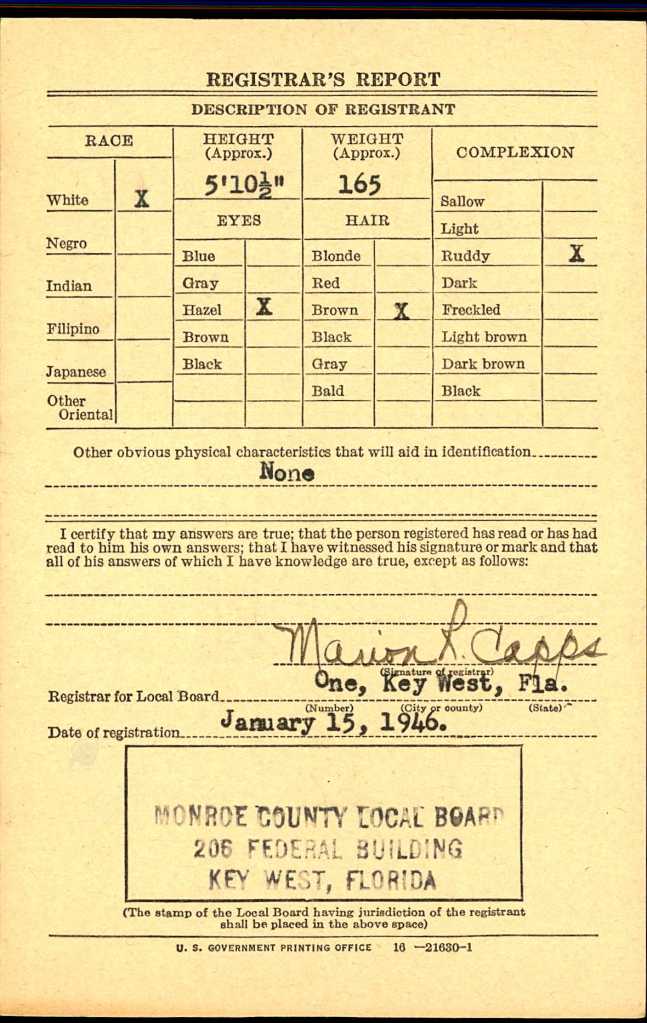
Bill registered for the WWII draft on January 15, 1946 in Key West, Florida . He is described as white, 5’10 1/2 inches tall, and weighed 165 lbs. He had hazel eyes, brown hair, and a ruddy complexion.

MARRIAGES
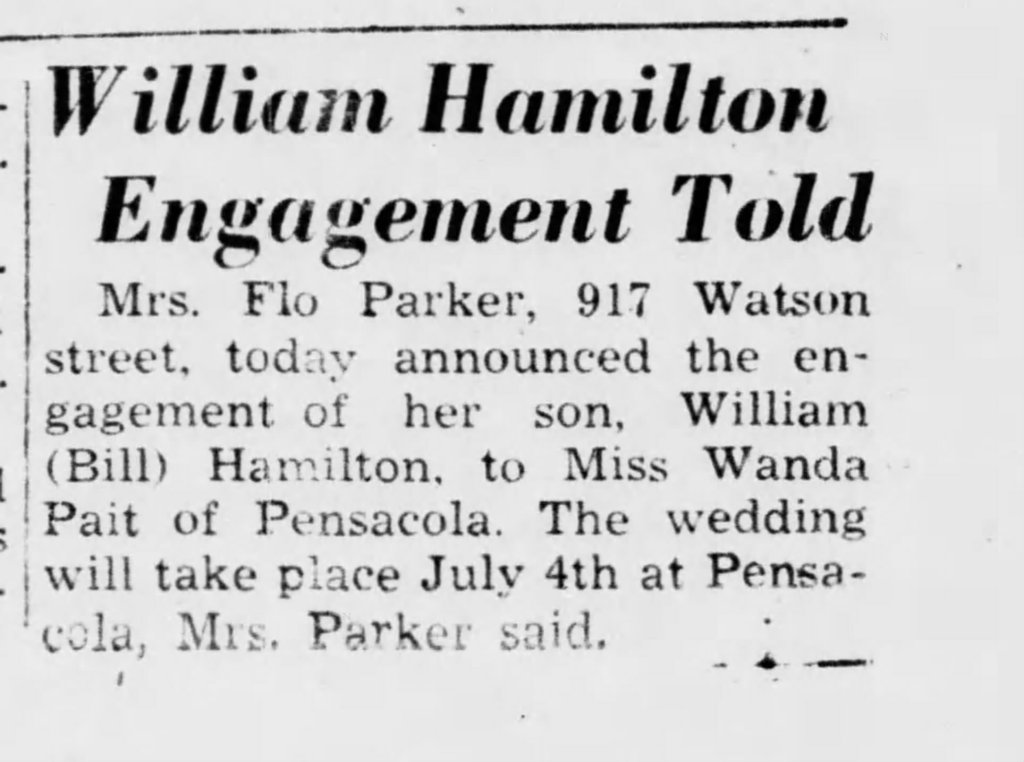
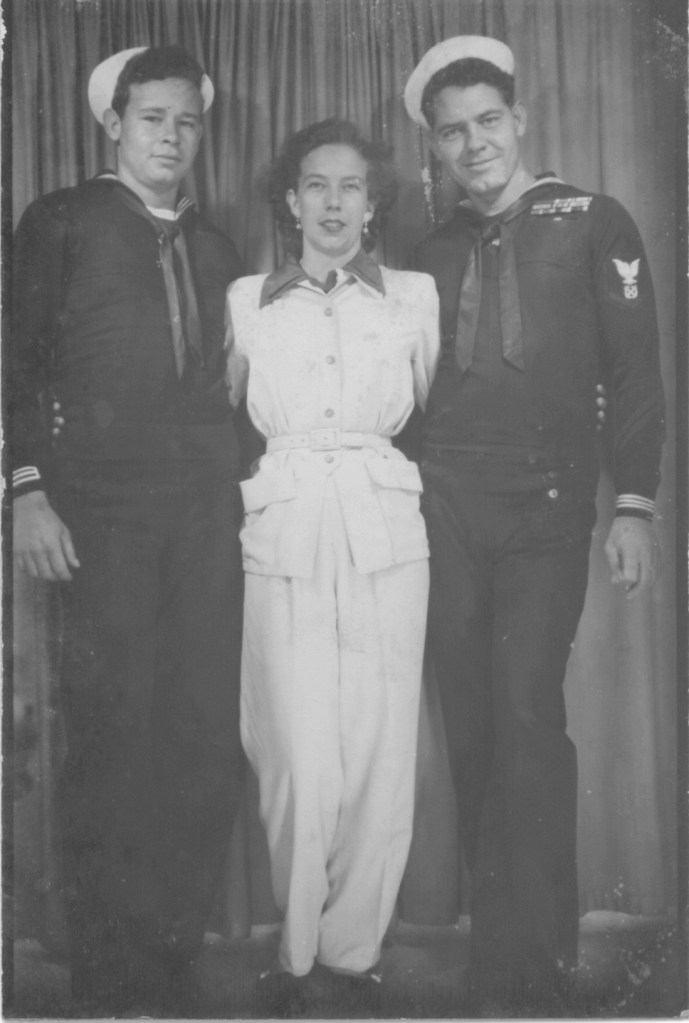
Bill married Wanda Tait on July 4, 1947, when he was 20 years old. They divorced, date unknown.

CHILDREN
- William J. Hamilton, III
- Joe Hamilton

Bill then married Carol Marie Harris in Portsmouth, New Hampshire, on September 12, 1959, when he was 32 years old. Bill and Carol had two children. They divorced on February 20, 1969, in Virginia after 9 years of marriage.

CHILDREN
- Kevin (Kevin was Carol’s son from a previous relationship according to her son, John)
- Patrick T was born on January 22, 1962.
- Frank Gene was born in 1964. Frank ‘Frankie’ died in 2012.
Bill married Gloria Holder – dates unknown.

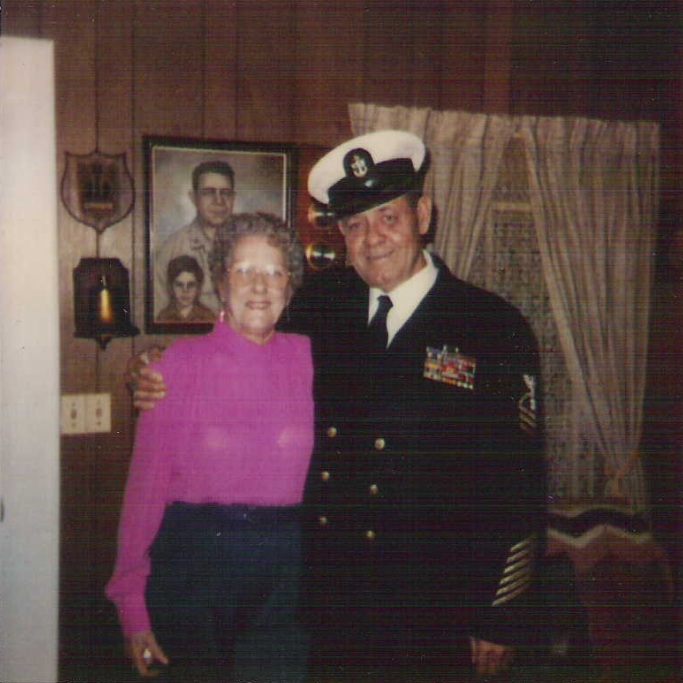
He then married Juanita Guynn on December 18, 1991, in Gilchrist, Florida.
DEATH
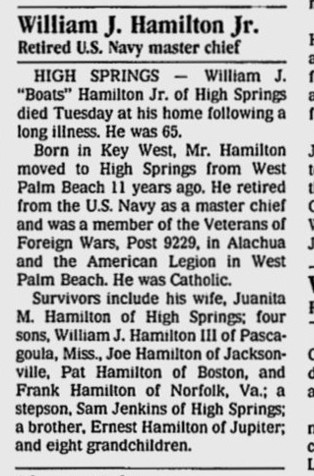
He died on December 8, 1992, in High Springs, Florida, at the age of 66.
SOURCES
1930 United States Federal Census; 1935 United States Federal Census; 1940 United States Federal Census; Florida Death Index, 1877-1998; Florida Marriage Collection, 1822-1875 and 1927-2001; The Key West Citizen 22 Dec 1945; New Hampshire, U.S., Marriage Records, U.S., Virginia, U.S., Divorce Records, 1918-2014; Newspapers.com Marriage Index, 1800s-1999; 1700-1971; U.S. WWII Draft Cards Young Men, 1940-1947; U.S., Department of Veterans Affairs BIRLS Death File, 1850-2010; Gainesville Sun – Dec 10 1992 obit; Family records
FLORIDA KEYS HISTORY FACEBOOK GROUP: Consider joining our group for more on Florida Keys History.
FLORIDA EVERGLADES HISTORY FACEBOOK GROUP: Consider joining our group for more on Florida Everglades History.
 Exploring Florida History