
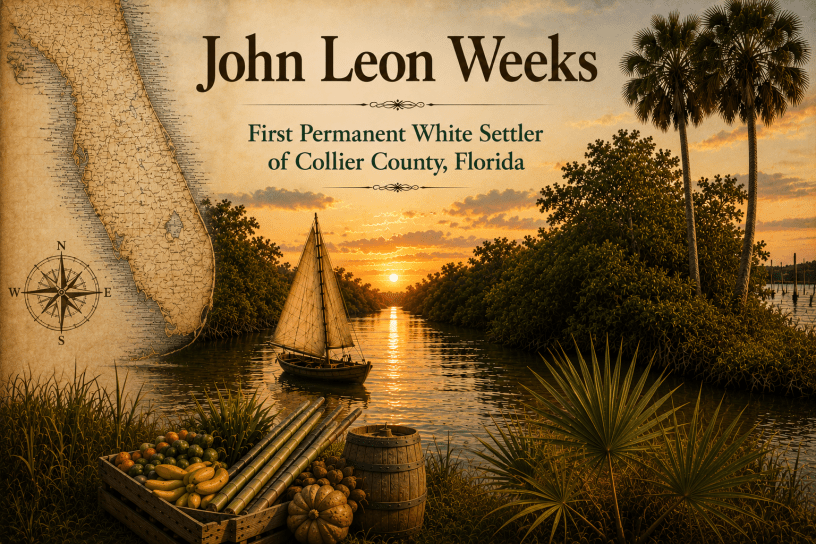
Some men leave behind monuments of stone. Others leave behind families, communities, and the places that grow from their courage. John Leon Weeks belonged to the second kind. Long before roads reached southwest Florida, before Everglades City existed, and before Collier County appeared on any map, Weeks carved out a life on the edge of civilization. His story is one of perseverance, heartbreak, and determination in one of the harshest environments in America.
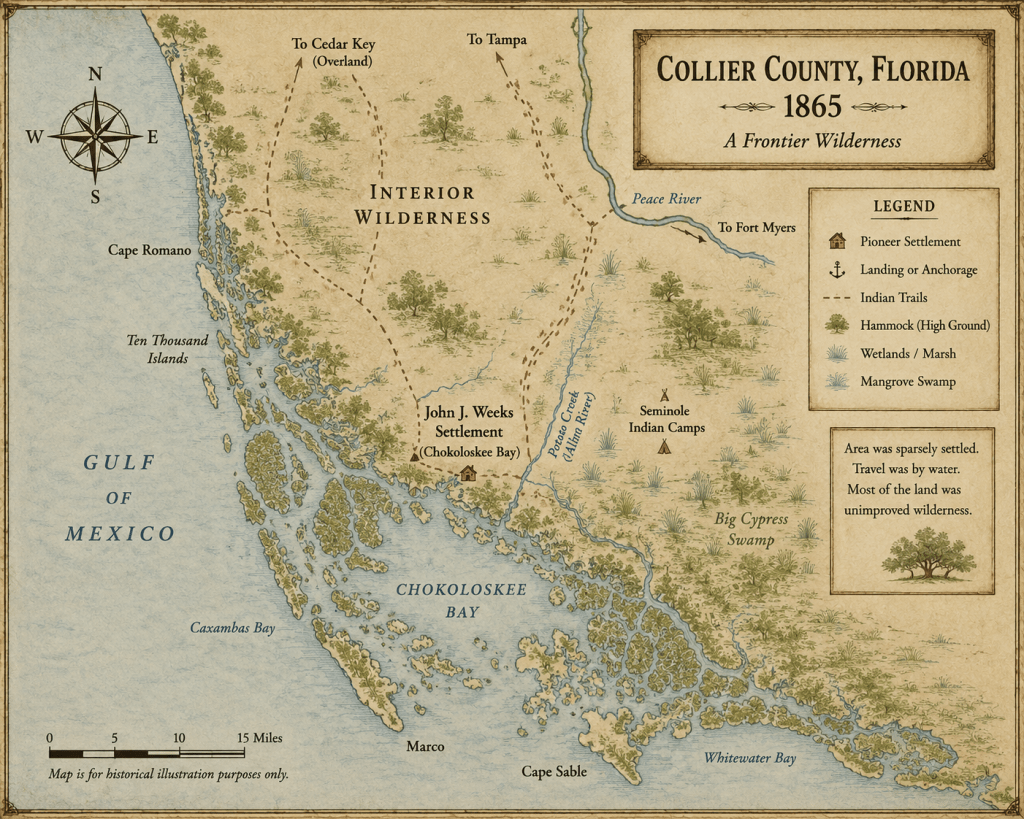
John Leon Weeks was born in Beaufort, South Carolina, in the early 1830s to John Weeks and Margarita Bennett. Although records disagree about his exact birth date, census and baptismal records consistently place his birth around 1830, despite one later memorial mistakenly listing it as 1846.
Sarah Ann Mercer
As a young man, Weeks married Deborah Tanner in Hillsborough County, Florida, in 1852. The marriage was short-lived, and by 1858 he had married Sarah Ann Mercer, a widow with two young daughters, Martha and Mary Elizabeth—known throughout her life as Lizzy. Together they began building a new family.
America was descending into civil war, and Florida was no exception. According to later accounts, Weeks sympathized with the Union but chose not to fight against his neighbors. Rather than remain in north Florida during the conflict, he relocated to the Union-controlled Key West area, where farms at Cape Sable supplied vegetables to soldiers and sailors stationed there. His decision likely saved his family while placing him on the path toward becoming one of southwest Florida’s earliest pioneers.
Chokoloskee Bay
In 1862, seeking fertile land and a quieter place to raise his family, Weeks loaded his wife, her daughters, and their infant daughter Mary aboard a sailboat in Cedar Key and headed down Florida’s remote Gulf Coast. After days of travel through mangrove-lined waterways, he settled on the shores of Chokoloskee Bay near the mouth of what was then called Potato Creek, later renamed Allen River. There was virtually no permanent white settlement in the region. Only scattered Seminole camps interrupted an immense wilderness of mangrove forests, tidal creeks, and shell mounds.
Their home was humble—a palmetto-thatched shack built on high shell ground overlooking the bay. Every necessity required exhausting labor. Weeks cleared hammocks by hand, planted bananas, pumpkins, sugar cane, cowpeas, and vegetables, burned buttonwood to produce charcoal, and depended entirely upon boats for transportation. Captains Nicholas and Adolphus Santini periodically carried his produce south to the markets of Key West, returning with flour, bacon, sugar, and other supplies impossible to produce in the wilderness.
Life in Chokoloskee demanded resilience. Isolation meant there were no nearby neighbors, no doctor, no church, and no certainty that help would arrive during illness or disaster. Years later, an account preserved in the Copeland Papers described Weeks explaining that he had not seen another permanent settler within fifty miles. His family survived almost entirely through their own labor, surrounded by wilderness and water.
TRAGIC LOSS
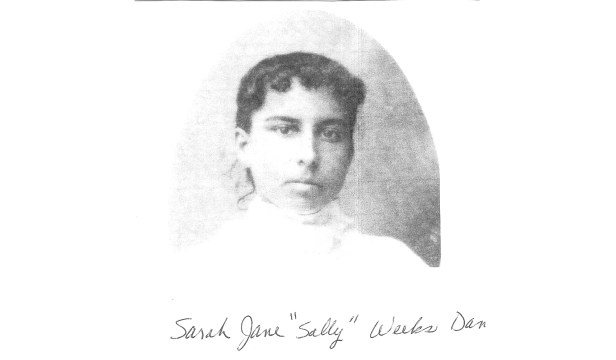
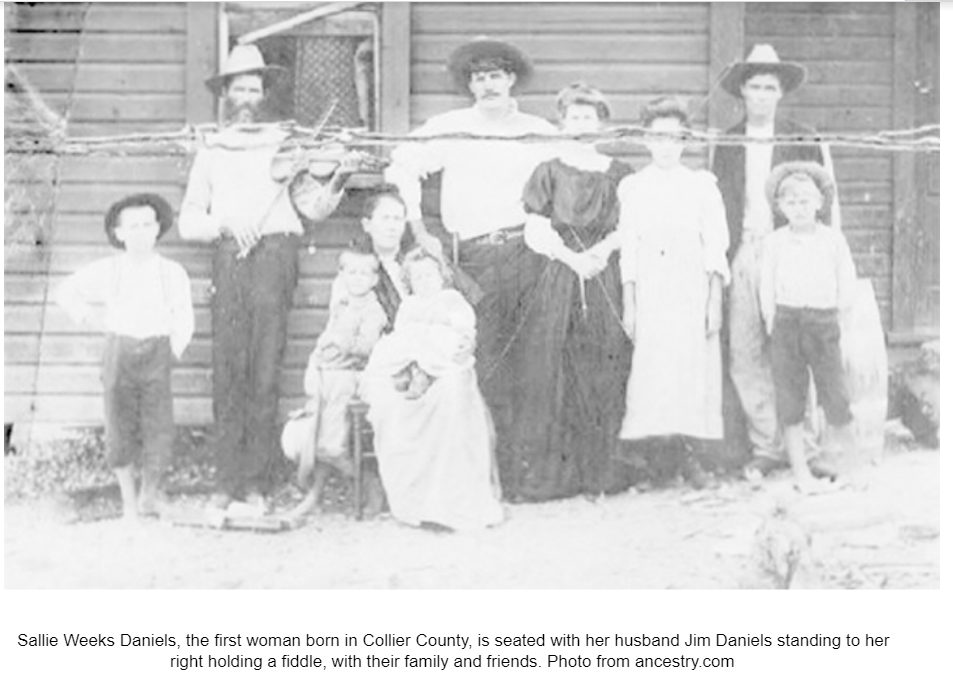
Tragedy struck in 1865 when Sarah Mercer Weeks died while giving birth to their second daughter, Sarah Jane, affectionately called Sally. Alone in the wilderness, Weeks buried his wife near their homestead beneath a lime tree and faced the enormous task of raising four young girls by himself.
Despite his loss, Weeks remained determined to make the settlement succeed.
William Smith Allen
His fortunes changed somewhat in 1869 when William S. Allen, former mayor of Key West, sailed into Chokoloskee Bay searching for fresh water after abandoning an agricultural venture on Sanibel Island. Allen found Weeks and his daughters living alone beside the creek. Impressed by the richness of the surrounding hammock land, Allen established a settlement nearby that would eventually evolve into Everglades City. Weeks unknowingly helped lay the foundation for one of southwest Florida’s oldest communities.
The conversations recorded during Allen’s visit provide one of the clearest glimpses into Weeks himself. He described arriving during the Civil War, clearing land, raising crops, and struggling after Sarah’s death. He spoke candidly of growing bananas and sugar cane, of supplying Key West, and of the loneliness that came from living so far removed from everyone else. Those recollections remain among the most vivid firsthand descriptions of pioneer life in the Everglades.
Weeks was also remembered as a man of principle. While plume hunting became one of the region’s most profitable industries, family tradition maintained that he refused to kill nesting birds for their feathers. Instead, he relied on farming and charcoal production, choosing a more difficult but more sustainable livelihood.
Mary Elizabeth “Lizzy” Raulerson
His life took an unusual turn in 1878 when he married his stepdaughter, Mary Elizabeth “Lizzy” Raulerson, after she reached adulthood. Though startling to modern readers, such marriages occasionally occurred on isolated frontiers where survival often outweighed convention. Together they raised a large family that included Matthew, David, Charles, Mary Josephine, Joseph William, Alfred, John Leon, and Mary Elizabeth. The family was baptized into the Catholic faith at St. Mary Star of the Sea Church in Key West in 1876, strengthening their ties to the growing island community.
The Weeks family continued moving throughout southwest Florida as opportunities arose. They lived at Cape Sable, Chokoloskee Island, Isles of Capri, Rookery Bay, and finally Horr’s Island, where John continued farming into old age. A nearby waterway became known as John’s Pass in recognition of his presence there. Wherever the family settled, they remained among the region’s earliest pioneers.
DEATH
John Leon Weeks died in 1900 at approximately sixty-eight years of age, though some historical accounts place him closer to seventy-nine because of conflicting birth records.
There are conflicting dates for his death. One source (not considered a good source as it is a cemetery record and difficult to verify) says he died on December 11, 1900, in Collier, Florida, at the age of 68, and was buried in the Rosemary Cemetery in Naples, Florida. A more reliable source is the Pension Application from his wife, Elizabeth. In those records the date and place of death are confirmed to be June 4, 1900 on Horr’s Island in Lee County.
The pension records indicate that he was buried somewhere on Horr’s Island, but despite repeated searches by descendants, the location of his grave has never been conclusively identified.
LEGACY
His greatest legacy was not a building or a business, but a family. His daughters Mary Apolonia and Sally became matriarchs of extensive pioneer families throughout the Ten Thousand Islands, while the children born to Lizzy carried the Weeks name into nearly every historic family of Collier County. Today, descendants include the Hamiltons, Browns, Daniels, Nashes, Kirklands, Dickersons, Whiddens, Howards, and many others whose roots remain deeply embedded in southwest Florida.
History remembers John Leon Weeks as the first permanent white settler of what became Collier County, but that title tells only part of the story. He was a farmer who transformed wilderness into fields, a widowed father who refused to abandon his daughters, a pioneer who endured isolation few could imagine, and a man whose quiet perseverance helped shape an entire region.
The roads, towns, and communities that now occupy southwest Florida stand upon foundations laid by people like John Weeks—individuals who ventured into the unknown armed with little more than determination, hard work, and hope for a better future. More than a century later, his story remains woven into the landscape he helped settle and into the generations of Floridians who proudly call him an ancestor.
SOURCES
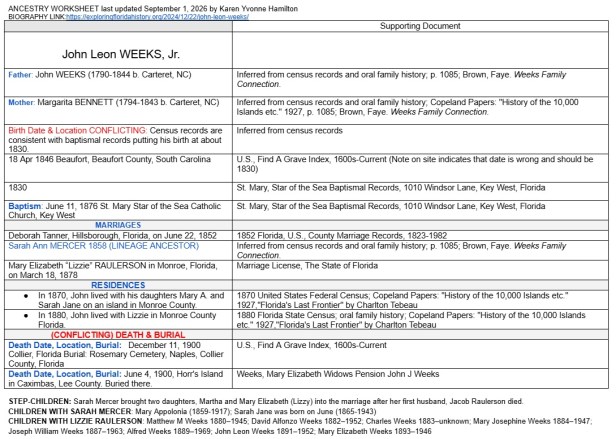
Brown, Faye. Weeks Family Connection.
Copeland Papers: “History of the 10,000 Islands etc.” 1927, p. 1085
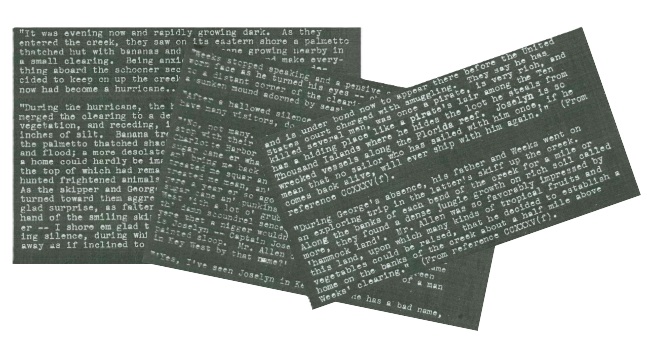
Florida State Archive, Tallahassee and clerk of courts, various counties; Tallahassee, Florida
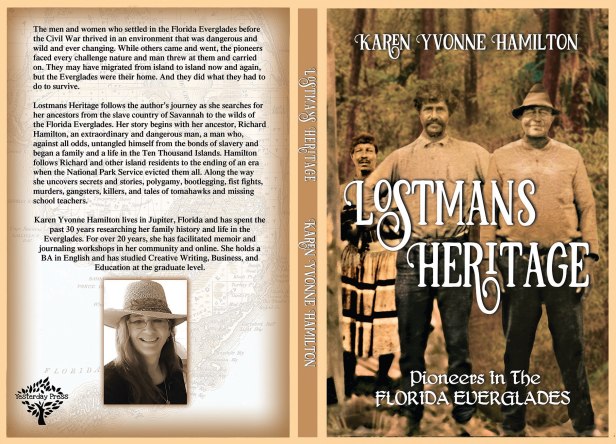
Hamilton, Karen Yvonne. Lostmans Heritage: Pioneers in the Florida Everglades. Yesterday Press, Jupiter, Florida, 2019.
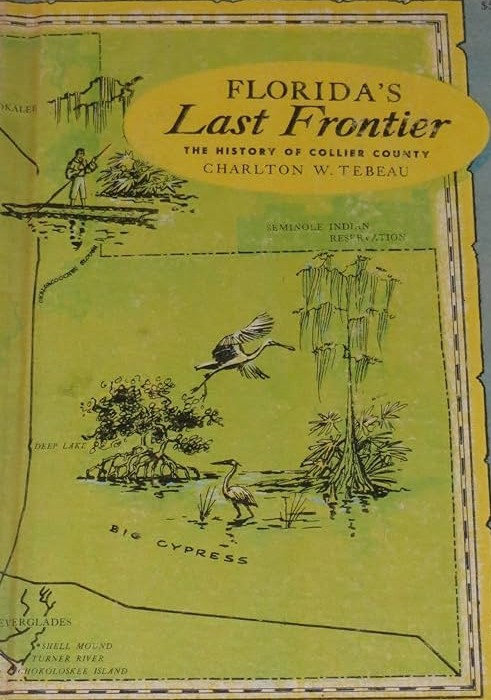
Tebeau, Charlton. Florida’s Last Frontier.
U.S. Census Records
Woodward, Craig. “Who was the first settler of present day Collier County?” Coastal Breeze News. Aug 12, 2011.
FOR RESEARCHERS:
Access PDFs of articles and records for John Weeks, Sr. here. https://exploringfloridahistory.org/2024/12/22/john-leon-weeks/

