
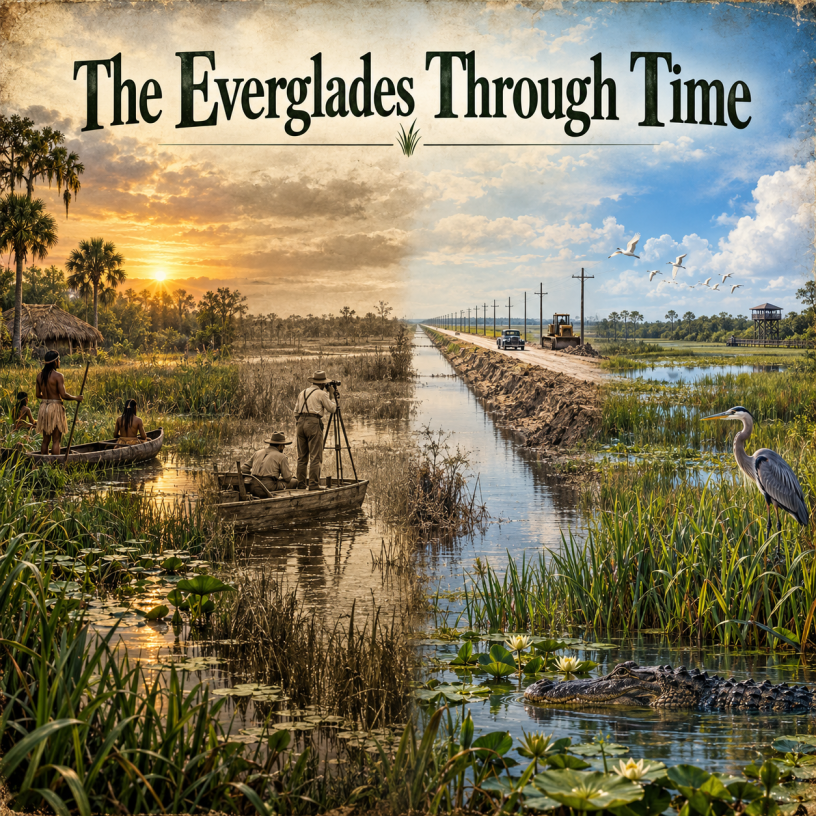
NOTE: The images in this post are illustrations, not archival photographs.
Long before highways crossed South Florida, before canals redirected its water and cities rose along its edges, the Everglades moved according to the rhythm of the seasons.
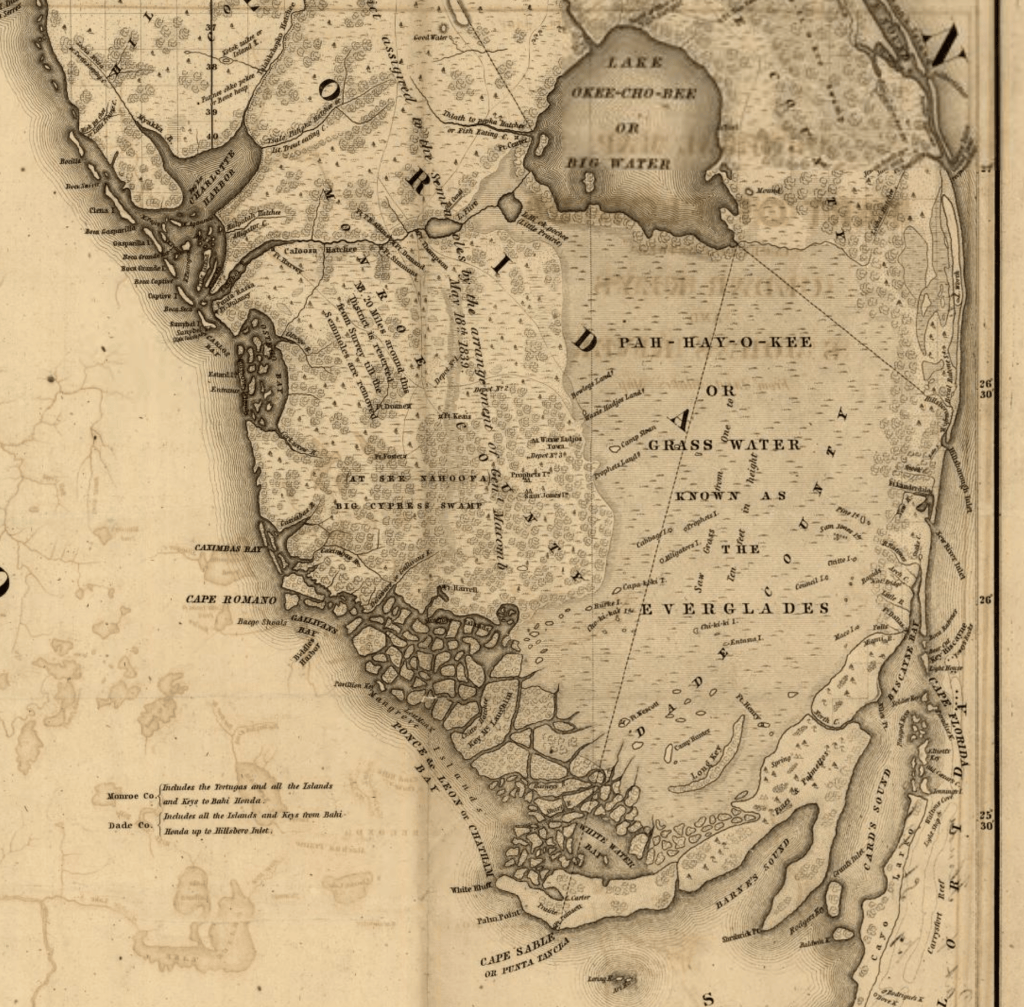
Water flowed south from the Kissimmee River into Lake Okeechobee. During the wet season, the lake overflowed its southern shore, sending a shallow sheet of water across the peninsula toward Florida Bay. The water moved so slowly that its journey could take months. Along the way, it nourished sawgrass marshes, cypress domes, hardwood hammocks, mangrove forests and countless forms of wildlife.
The Everglades was not simply a swamp. It was a vast, interconnected river—one that shaped the land and the lives of the people who depended upon it.
Its history is a story of adaptation, ambition, destruction and, more recently, an enormous effort to repair what was nearly lost.
Before the Canals
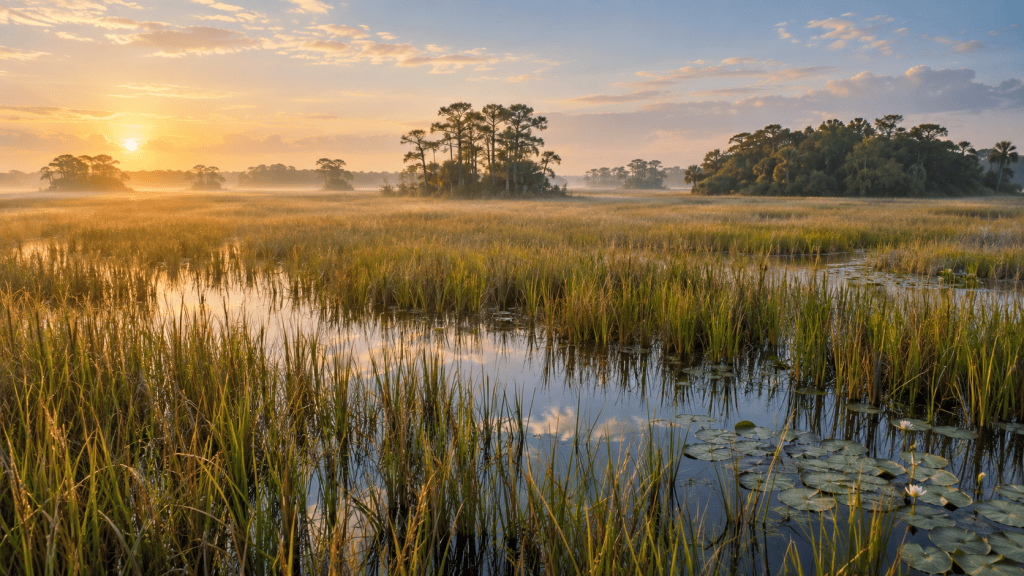
The Everglades developed over thousands of years as South Florida’s climate became warmer and wetter. Water collected across the region’s low, nearly level limestone landscape, creating one of the most unusual wetland systems in the world.
People lived in and around this watery environment for thousands of years. The Calusa established communities along Florida’s southwest coast, while the Tequesta lived near Biscayne Bay and the Miami River. They traveled by canoe, harvested fish and shellfish, hunted animals and built settlements on elevated ground.
Rather than viewing the wetlands as useless or hostile, these early inhabitants understood how to live within their seasonal patterns. Waterways served as roads. Coastal estuaries provided food, and hardwood hammocks offered dry places for camps and settlements.
European colonization brought disease, warfare and displacement. By the 1700s, the populations of the Calusa and Tequesta had been severely reduced. Some survivors may have fled to Cuba or joined other Native groups.
During the eighteenth and nineteenth centuries, Seminole people moved into Florida. As the United States attempted to force Native peoples from the state, the difficult terrain of the Everglades became a place of refuge and resistance.
Seminole and Miccosukee communities adapted to life in the wetlands, building homes on tree islands and traveling through the sawgrass in narrow dugout canoes. Their descendants remain an essential part of the Everglades story today.
A Wilderness to Be Conquered
For much of the nineteenth century, outsiders described the Everglades as an obstacle to progress. Promoters looked across the wetlands and imagined farms, towns and profitable real estate.
Florida became a state in 1845. That same year, the legislature asked the federal government to study whether the Everglades could be drained. The idea reflected a growing belief that wetlands were valuable only after they had been converted into dry land.
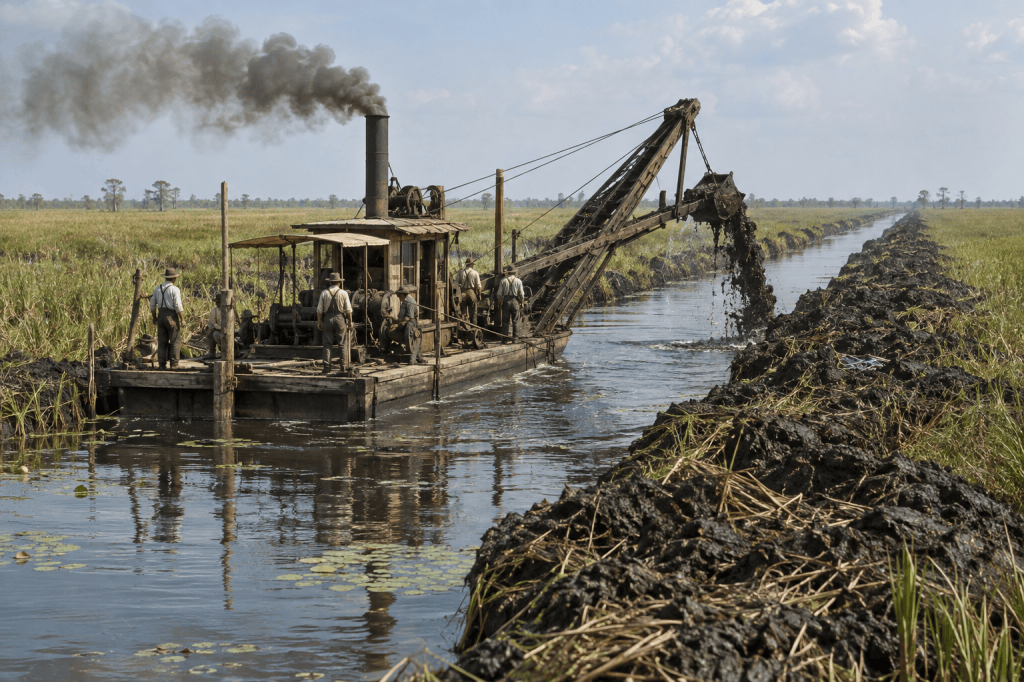
Large-scale drainage efforts began during the 1880s. Philadelphia businessman Hamilton Disston purchased millions of acres from the State of Florida and began digging canals intended to drain portions of the peninsula. His work did not empty the Everglades, but it encouraged further investment and helped establish the idea that South Florida’s water could—and should—be controlled.
At the beginning of the twentieth century, Governor Napoleon Bonaparte Broward made Everglades drainage one of his defining causes. Dredges cut canals through the wetlands, carrying water away from the interior and toward the Atlantic Ocean and Gulf of Mexico.
Advertisements promised rich farmland beneath the sawgrass. Settlers purchased property, farmers planted crops and new communities appeared along the edges of the wetlands.
But the Everglades did not surrender easily.
Drained land sometimes flooded again. Muck soil dried, shrank and burned. Developers discovered that controlling water across South Florida was far more complicated than simply digging canals.
Roads, Farms and Flood Control
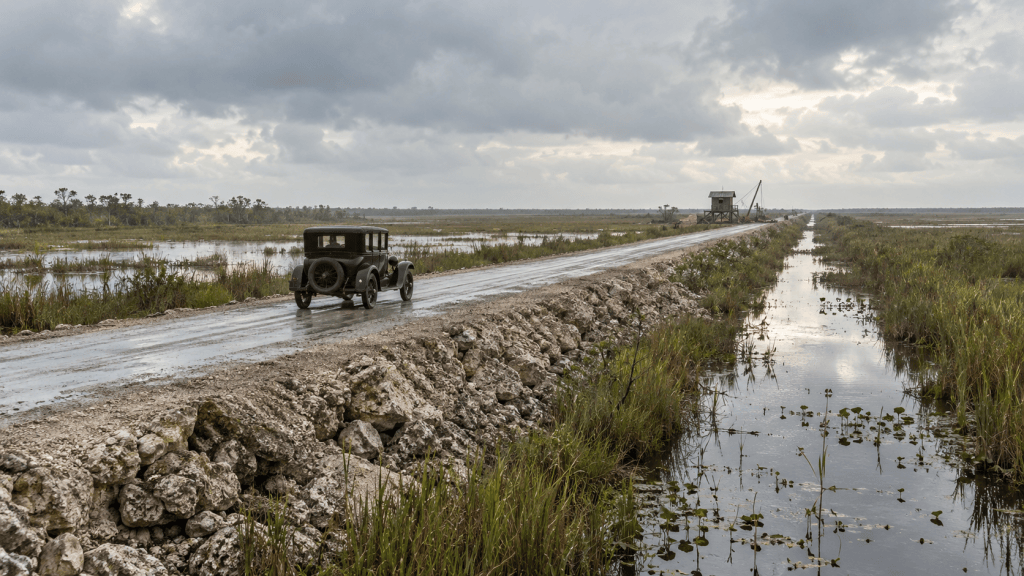
During the early twentieth century, human activity transformed the Everglades at an accelerating pace.
The completion of the Tamiami Trail in 1928 created a road between Miami and Florida’s Gulf Coast. It also acted as a barrier across the natural southward flow of water. Canals, levees and roads began dividing an ecosystem that had once functioned as a single connected watershed.
Agriculture expanded south of Lake Okeechobee. Sugarcane, winter vegetables and other crops grew well in the dark organic soil, but farming required water levels to be carefully controlled.
Then disaster changed the region again.
Powerful hurricanes struck South Florida in 1926 and 1928. During the 1928 storm, water surged out of Lake Okeechobee and overwhelmed communities along its southern shore. Thousands of people died, many of them Black migrant farmworkers whose stories were neglected for generations.
The tragedy led to the construction of stronger levees around the lake. Later flood-control projects created an enormous system of canals, pumps and water-control structures. These works protected farms and growing communities, but they also redirected water that the Everglades needed to survive.
By the middle of the twentieth century, much of South Florida’s water no longer followed its historic path.
Saving the River of Grass
Even as development continued, conservationists began warning that the Everglades was disappearing.
Plume hunters had already devastated populations of egrets, herons and spoonbills during the late nineteenth and early twentieth centuries. The birds’ feathers were sold for use on fashionable hats. Conservation organizations and protective laws eventually helped end the worst of the slaughter, but the destruction drew national attention to the fragility of Florida’s wildlife.
One of the Everglades’ most influential advocates was writer Marjory Stoneman Douglas. Her 1947 book, The Everglades: River of Grass, changed the way many readers understood the region. The Everglades, she argued, was not a worthless swamp. It was a living river with a history, a purpose and an irreplaceable place in Florida.
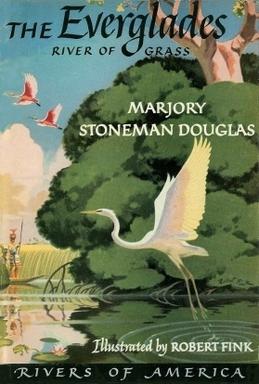
That same year, Everglades National Park was dedicated.
Unlike many national parks created to protect mountains, canyons or other dramatic geological features, Everglades National Park was established primarily to preserve an ecosystem. Its creation marked an important victory, but the park could not protect water that had already been diverted before reaching its boundaries.
Saving land was only the beginning. The Everglades also needed its water restored.
The Cost of Control
By the late twentieth century, the consequences of altering South Florida’s water system had become impossible to ignore.
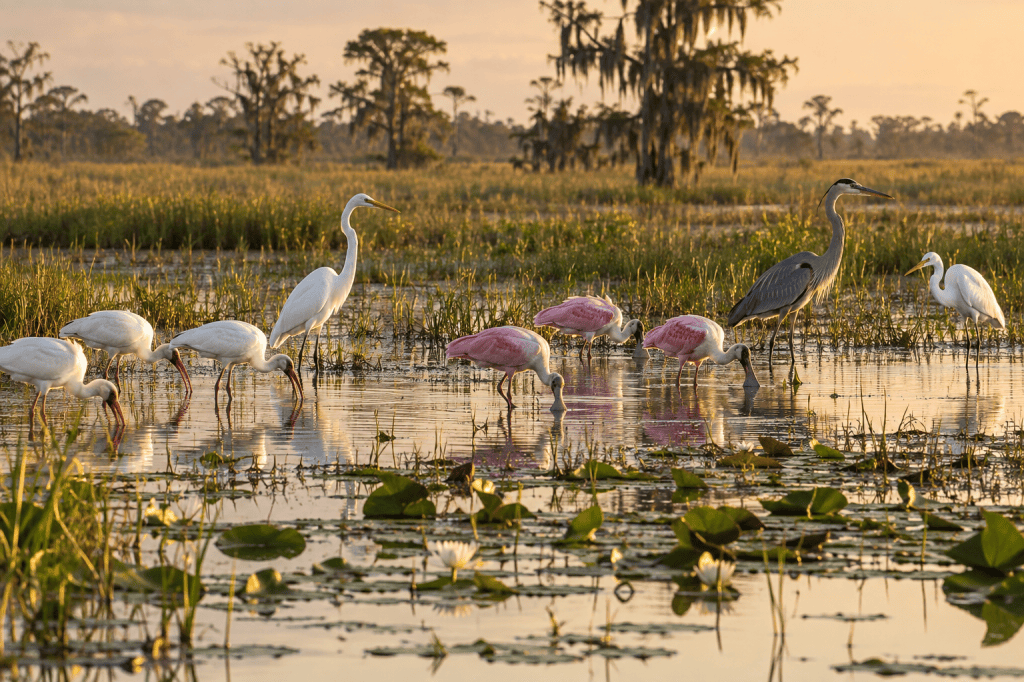
Wading bird populations declined. Florida Bay experienced changes in salinity. Nutrient pollution encouraged the spread of plants that displaced native sawgrass. Development reduced wildlife habitat, while roads and canals interrupted the movement of animals and water.
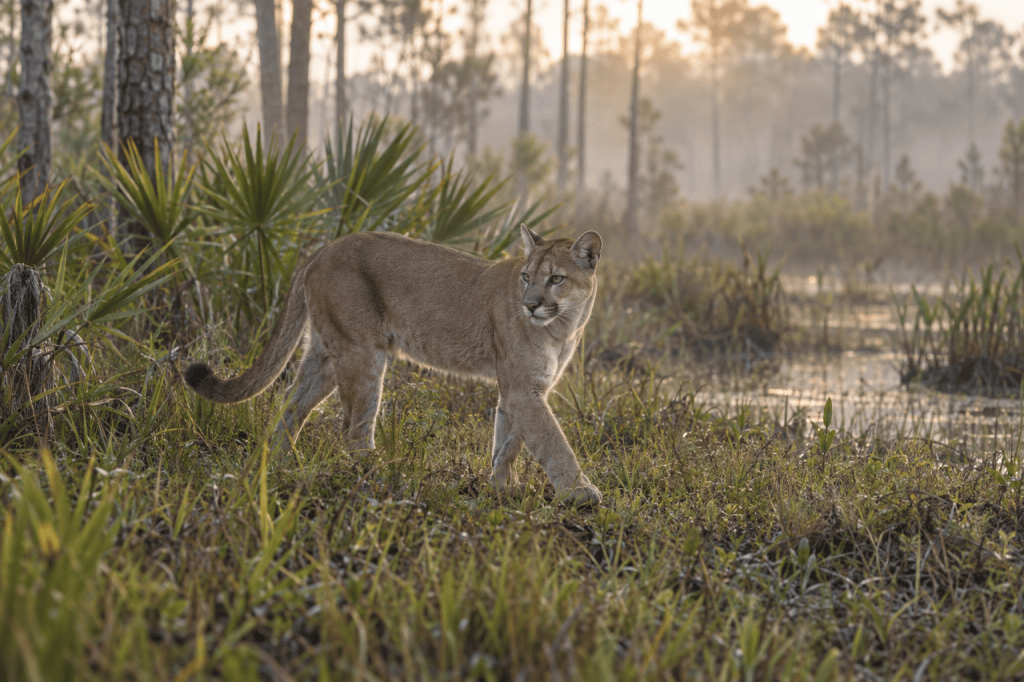
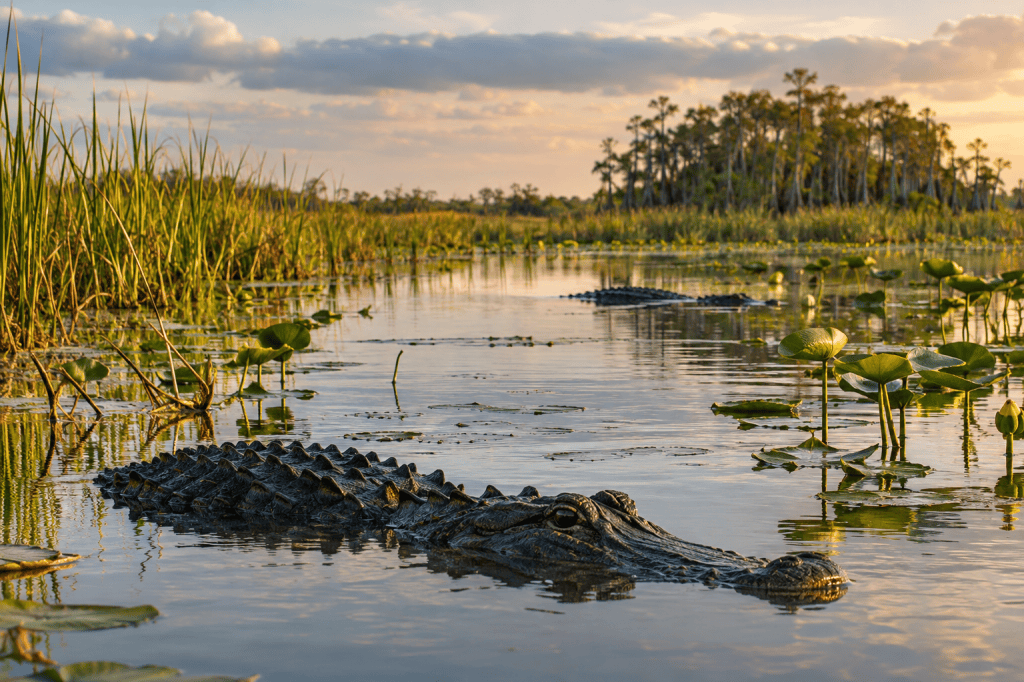
The endangered Florida panther survived in a shrinking portion of its former range. Alligators, once hunted nearly to extinction, recovered after receiving federal protection, but many other species remained vulnerable.
The problem extended beyond wildlife. The Everglades helps replenish the underground water supply used by millions of South Florida residents. Damage to the wetlands threatened both the natural environment and the communities built around it.
Florida had spent more than a century trying to remove water from the Everglades. It now faced the far more difficult task of putting the right amount of clean water back into the system at the right time.
Restoring the Everglades
In 2000, Congress authorized the Comprehensive Everglades Restoration Plan, commonly known as CERP. Developed as a partnership between the federal government and the State of Florida, it became one of the largest ecosystem-restoration efforts ever attempted.
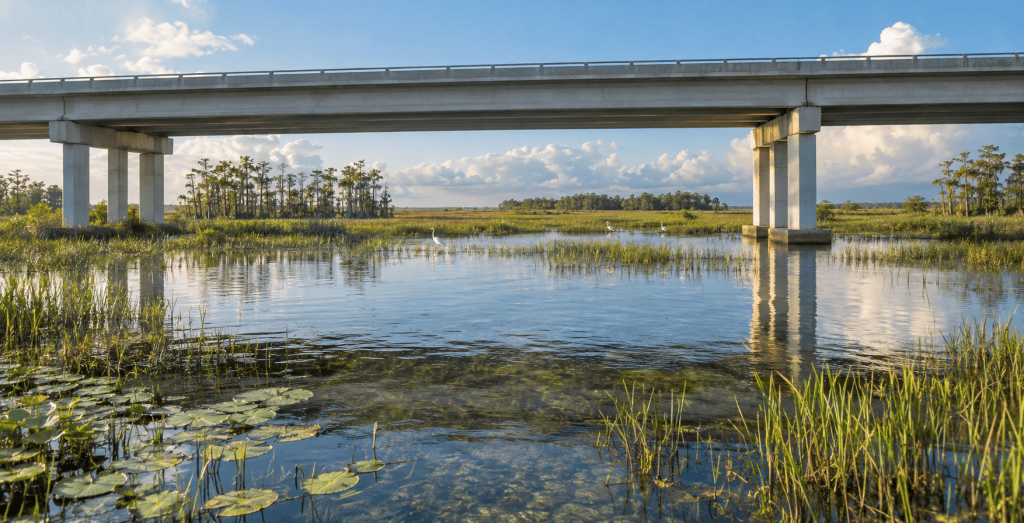
The plan includes reservoirs, stormwater treatment areas, canal modifications and projects designed to improve the timing and distribution of water. Portions of the Tamiami Trail have been raised to allow more water to flow beneath the roadway and into Everglades National Park.
Restoration is neither quick nor simple. South Florida must balance the needs of wildlife, tribal communities, agriculture, cities and millions of residents. Climate change and rising seas have added new pressures to an already altered landscape.
There is no way to return the Everglades completely to the world that existed before the canals. Too much has changed. Yet restoration can reconnect portions of the ecosystem, improve water quality and give native plants and animals a better chance to survive.
A Landscape That Remembers
The Everglades we see today contains every chapter of its history.
Tree islands recall generations of Indigenous life. Canals reveal the ambitions of developers who believed water could be commanded. Levees speak of deadly storms and the demand for flood protection. Protected wetlands reflect the work of people who refused to accept that destruction was inevitable.
The Everglades is often presented as a wilderness separate from human history. In truth, people have always been part of its story. Some learned to live according to its rhythms. Others attempted to reshape it. Still others devoted their lives to defending it.
Its future will depend upon what we choose to remember.
The River of Grass is not merely a remnant of old Florida. It is a living system that still supports wildlife, stores water, shapes communities and connects the past to the future.
To understand the Everglades through time is to recognize both its resilience and its limits. The landscape has endured centuries of change, but survival is not guaranteed. Its next chapter is being written now—in restoration projects, public decisions and the willingness of Floridians to see the Everglades not as empty land, but as one of the state’s greatest inheritances.
 Exploring Florida History