Karen Yvonne Hamilton, October 23, 2026
Partially excerpted from the preface to Lostmans Heritage: Pioneers in the Florida Everglades
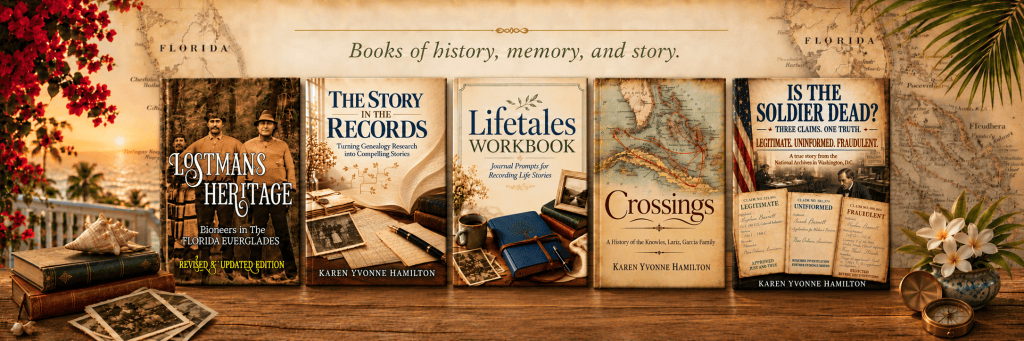
People often ask me why I wanted to write Lostmans Heritage: Pioneers in the Florida Everglades. It’s a question that I answer with some difficulty, however. I had many reasons for wanting to see the book out in the world, so I find it frustrating to pin down just one exact reason for all the years of research, writing, and rewriting. If you are going to insist that I give you one, I would have to say because the ghosts wouldn’t stop nudging me.
This is a poem that I wrote as I was working on the book. You can sense my frustration in it.
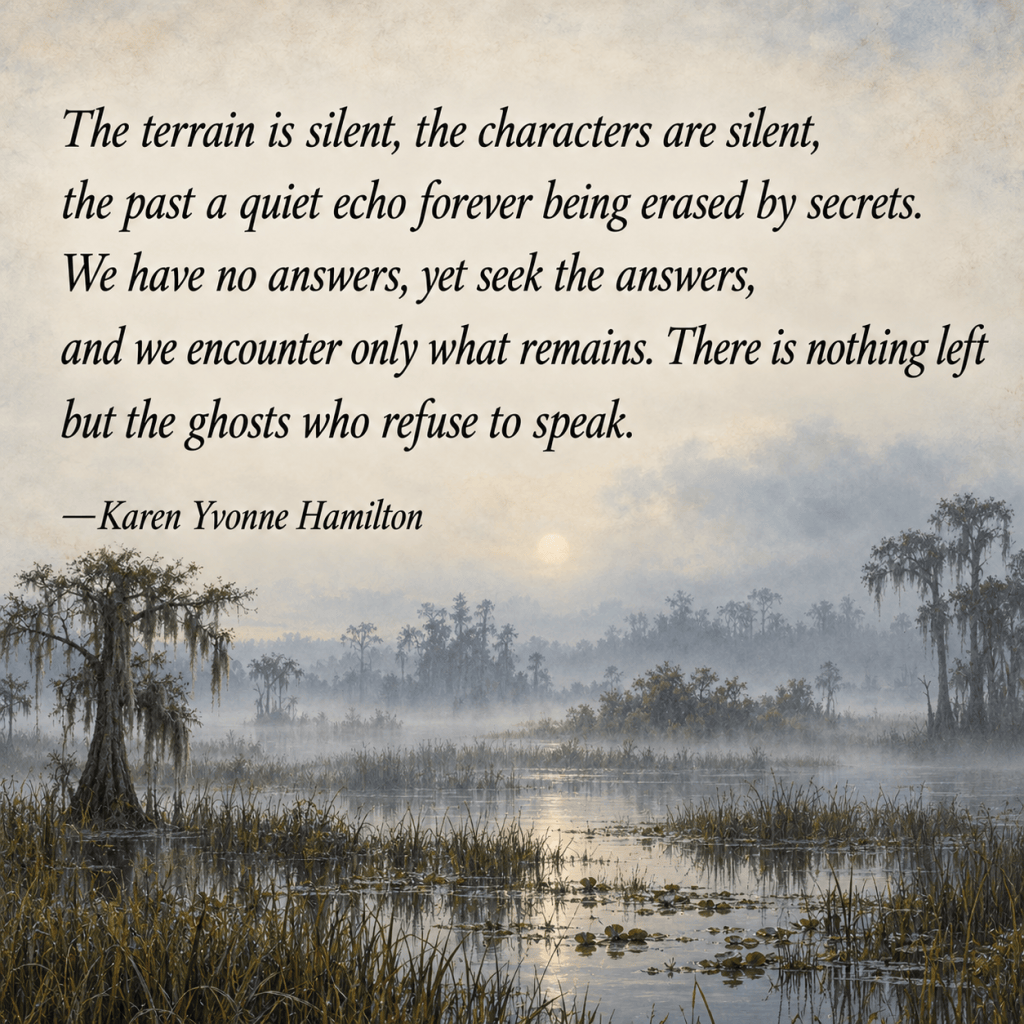
And this is the main reason that I wrote the book, here in this poem. When we begin researching our family history, this is all we have, isn’t it? What remains is paper, if we’re lucky, family stories, and the ghosts of our ancestors. I didn’t know when I started this journey in 1989 that I was stepping into a maze of secrets.
I was told to start with my parents and work backwards. Easy, right? I had no idea what I was getting into. I’d been hearing stories about my grandfather, his father, and his father my whole childhood. I started wondering where the name Hamilton came from.
I approached genealogy with a single purpose in mind. To discover where my surname, Hamilton, originated. I had visions of tracing my name to some foreign country, to some long dead ancestor who earned the name in the olden days. I began with my father’s side of the family because I had been raised with tales of life in the Everglades during the Great Depression. I couldn’t imagine why my ancestors would have chosen such a wilderness to make their home. I only made it back six generations.
My father, Ernest Eugene Hamilton, always said, “Make your mark.” He certainly did that. Born in the poorest section of Key West, he spent his childhood shuffled among relatives ranging from Key West to Lostmans to Fort Myers. His father, William Joseph Hamilton (Buddy), would have been one of the last of the residents of the Ten Thousand Islands before the National Park Service took over. I say “would have” because Papa disappeared in the dark swamp at Shark Point in 1932, his body never found. My father was born seven months later. My grandmother, Florinda, tried to stay there in the Glades, near Lostmans River, and raise her three boys, but it was very hard for a woman alone with three small boys in those swamps.
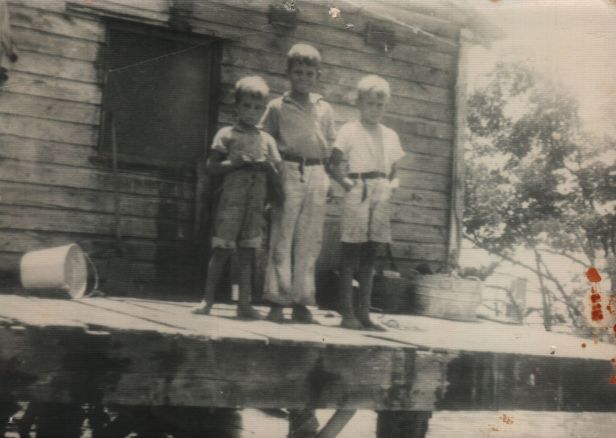
My father rose above the loss of his father, the displaced childhood, the poverty. He joined the service, graduated from University of Florida with an accounting degree, married and raised children, became ‘someone’ in his community. He made his mark.
My ancestors who arrived in the Florida Everglades shortly after the Civil War and built a “tribe” did something amazing in the decades they homesteaded in the islands. They thrived in an environment that was dangerous and wild and ever changing. While others came and went, the Hamilton family faced every challenge nature and man threw at them and carried on. They may have migrated from island to island now and again, but the Everglades were their home.
You’ll find them mentioned here and there in the many books written about the Glades. In a 1959 article, historian Charlton Tebeau, says, “The Hamiltons, to the disappointment of the romanticists, were neither pirates nor smugglers nor fugitives, but simple fishermen. They worked the abundant schools off the coast until 1947, when they were forced to evacuate their homesites by the establishment of the Everglades National Park.”
There were two Hamilton families in the Everglades, but Tebeau was talking about the Richard Hamilton family, my ancestors. Tebeau was fascinated by my family, and he referred to them many times as one of the ‘lost tribes’ of the islands.
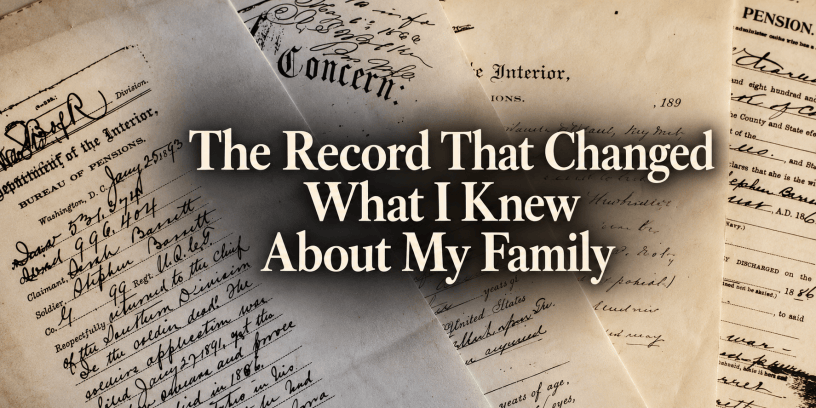
The Record That Changed Everything
As I uncovered each paternal ancestor, I grew more and more excited. What fascinating characters! Like actors on the stage, I could picture them in my mind. I was held at rapt attention as they performed their lives for me through family stories, census records, and engravings on tombstones.
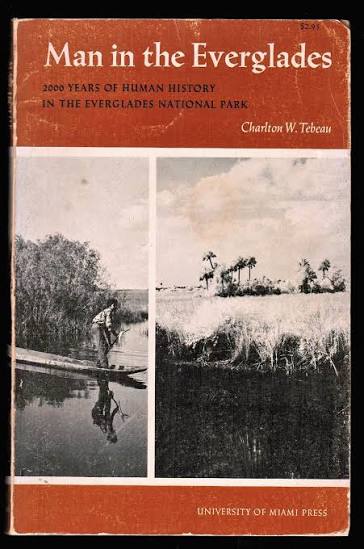
I read in Mr. Tebeau’s book, Man in the Everglades, that Richard Hamilton, my great-great grandfather, had served in the Union army, so I decided to order his military records from the National Archives.
A few weeks later, I opened the mailbox to find a large, thick brown envelope. The name on every page was not Richard Hamilton. It was Stephen Barrett. I recall being annoyed; they had sent me the wrong records. Several phone calls later, I finally reached someone who asked me, “Have you read through all the documents?”
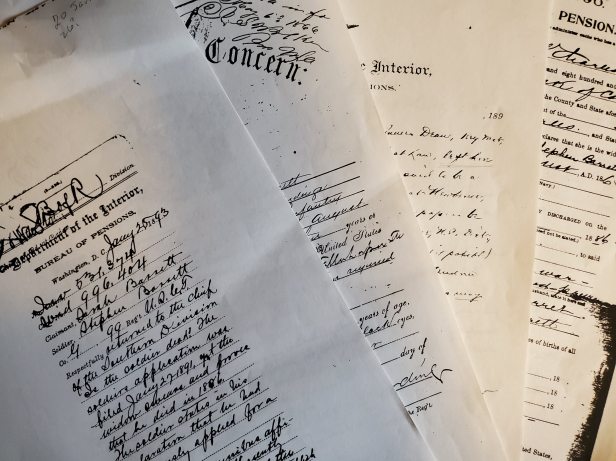
Well, I had not. I was brand new to doing genealogy. So, I settled down and began reading.
There are times when researching one’s family history that you find surprises, fascinating characters who defy all logic and confound and astonish the researcher. Richard Hamilton is one such character. The most astonishing characteristic of Richard that I stumbled on was that he was a slave. He was also a fugitive from justice, having filed for a Civil War pension under someone else’s name.
According to the depositions, Richard and his mother, Peggy were slaves owned by William Pitts Edwards in Springfield, Georgia. In December of 1850, William Edwards gathered his family and his slaves and made the arduous journey to Ocala, Florida. Williston. When Edwards arrived in Williston, Florida, he had five slaves and 160 acres. Two of those slaves were Peggy and her son, Richard.
In my wildest dreams, I had not imagined that I was directly descended from slavery. Of all the research scenarios, tracing the genealogy of slaves was tantamount to impossible! Or was it? While I didn’t expect to encounter a slave nestled amongst my family tree, there was Richard, hiding just out of reach, leaving behind him mystery and suppositions regarding his life. He had quite a few aliases as well – Robert Hamilton, R.E. Hamilton, Richard Hambelton, and Stephen Barrett to name the most used ones.
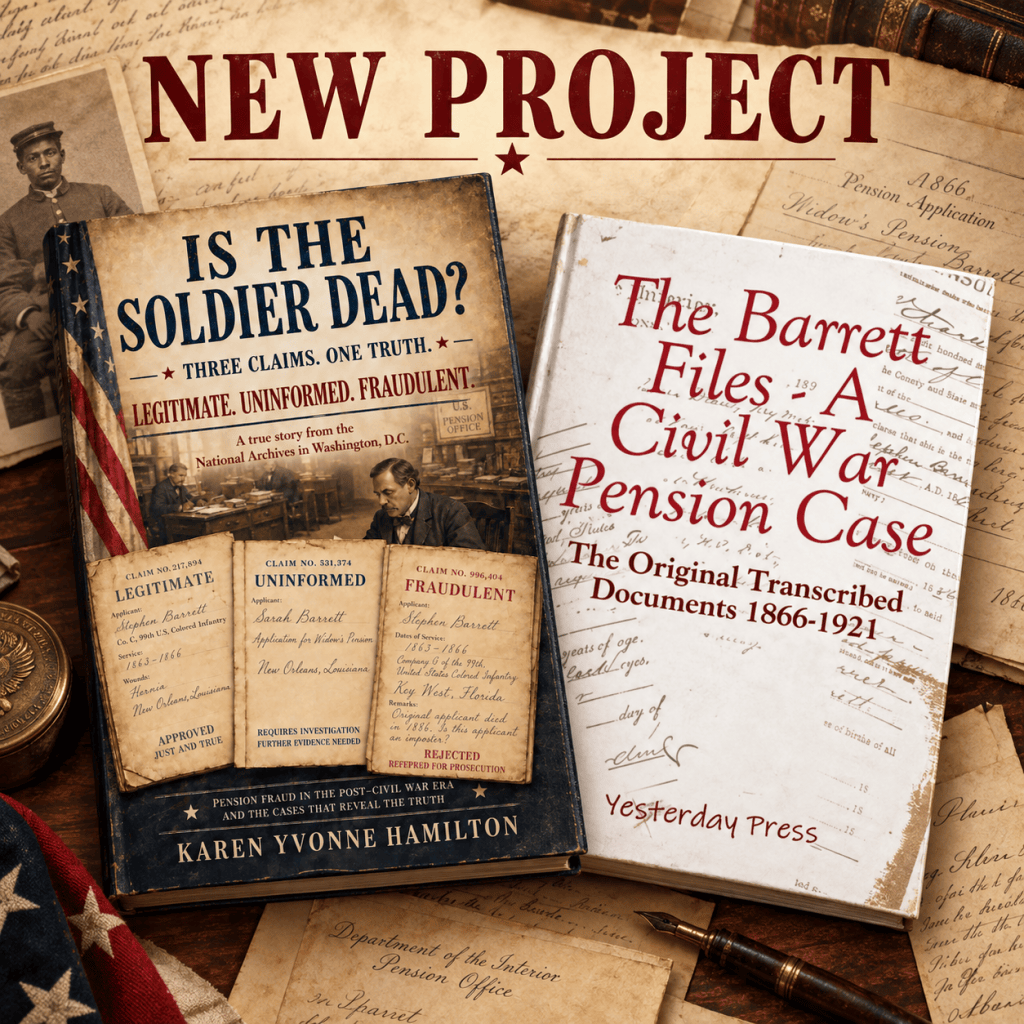
Coming in 2027
I dug in my heels and found myself awash in the life of a fascinating man, an extraordinary and dangerous man, a man who, against all odds, untangled himself from the bonds of slavery and began a family and a life in the Florida Everglades. The Everglades itself is shrouded in mysteries, a tangle of mangroves, waterways, and sawgrass that meanders every which way and is as mutable as the wind. Nothing is ever where you left it. This was where one came to get lost, to hide amongst the wild things and the Seminoles.
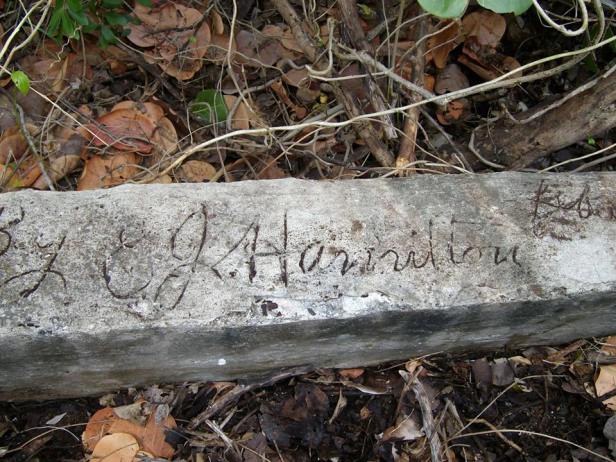
Here, in this place, was where I found my ancestors. Not much remains of them there. A few artifacts like old engine parts and coquina blocks they used for cisterns. And stories. So many stories. Bootlegging, murders, gangsters, killers, and tales of tomahawks and missing schoolteachers.
I spent a decade researching and compiling information.
Killing Mr. Watson
But it wasn’t until Peter Matthiessen wrote Killing Mr. Watson in 1990 that the Hamilton tribe leapt into the public eye. And now when I say, “I am a descendant of Richard Hamilton,” eyes light up and people say, “Oh! You’re one of Matthiessen’s Hamiltons!” I love what Matthiessen did in his book. He took all of these stories and made one story. He once said in an interview, “There is nothing here that couldn’t have happened.” And when it comes to life in the Florida Everglades, you never knew what would happen next.

This haunted me. My family was more than the fictionalized version of them. I wanted to tell what I know about these men and women who are my family. I wanted to take what Matthiessen started and tell people what I knew about my ancestors, where they came from, what the world was like around them, and what the stories were that they passed down through the generations.
This is their mark, and I wanted to leave it for them. They were extraordinary. They were brave. They were dangerous. They were pioneers.
Lostmans Heritage: Pioneers in the Florida Everglades
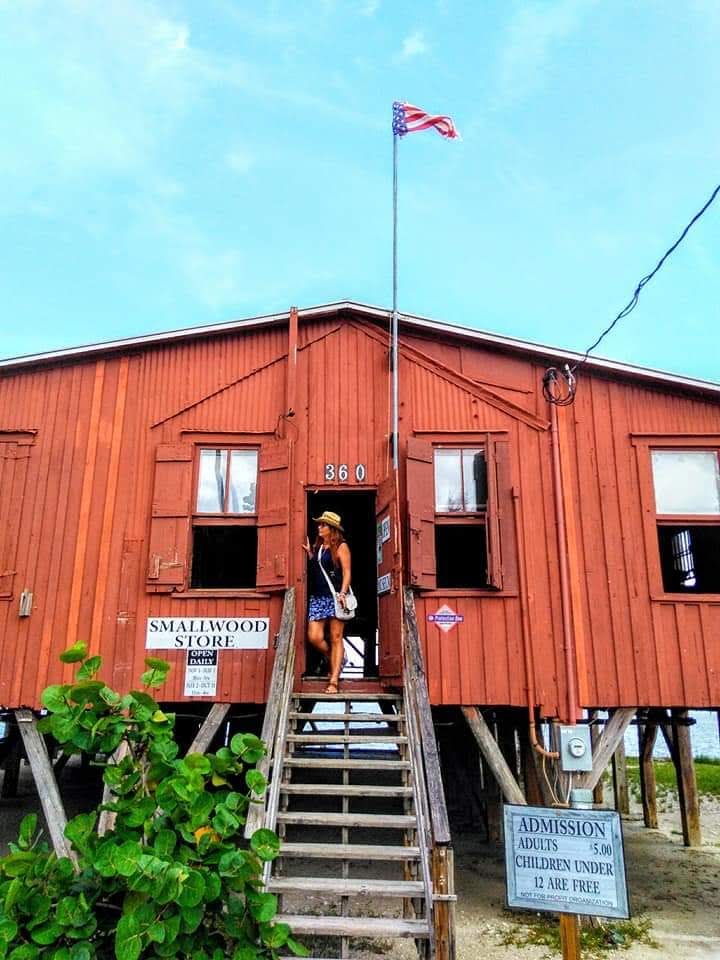
It took me another thirty years to write their story. I raised children, went to college, and taught high school English, fitting in research and writing in small moments here and there. By 2018, I was finally able to devote more time to the book. My sister and I took ‘field’ trips to Georgia and all over Florida. I interviewed people and documented every story I could find.
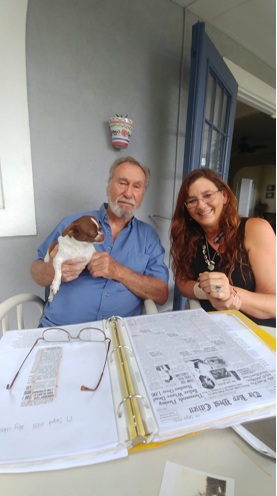
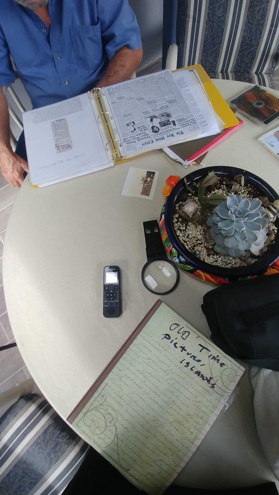
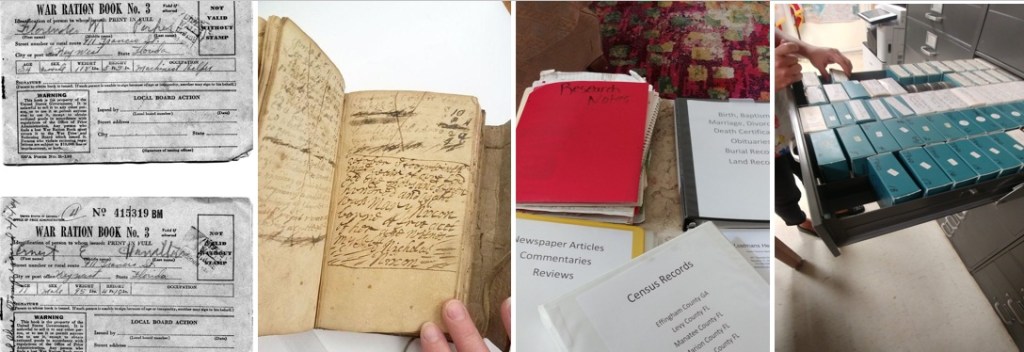
I turned my house into a giant office. There were charts on every wall and I would walk those charts in the middle of the night trying to uncover any new clues and trying to decide the best way to organize the book.
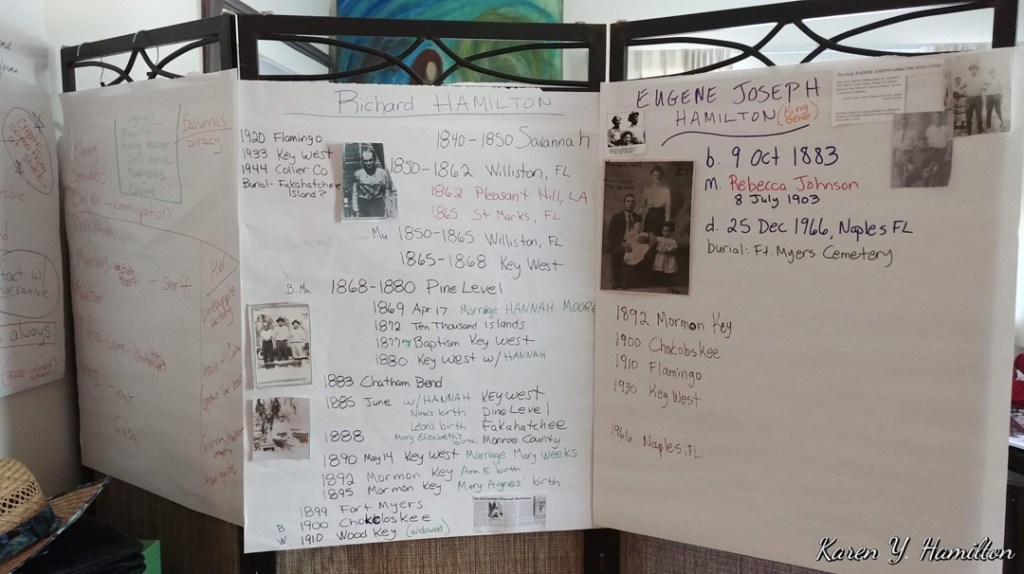
By 2019, the book somehow came together as an organized account of life in the Florida Everglades after the Civil War and during the Great Depression.
Publication
I approached several publishing houses with my book and was thrilled that the University of Florida Press took an interest. I spent several months working with an editor there to get the book in shape for publication.
Unfortunately, they ultimately told me that I had to remove my personal journey about discovering my true family history. Their publishing house had decided that they would only publish strictly non-fiction history books and mine included what is basically memoir. In other words, my book was (is) CREATIVE NON-FICTION. So, I had to make a choice.
I turned down UF Press and decided to self-publish. I am happy to say that I stuck to my belief that MY story was just as important as my family’s story. And that bore out later when I received reviews that said they wish I had included more of my story.
Lostmans Heritage does not try to make one story; it is simply ALL of the stories that I could find. The family lore. The historical documents. The facts as we know them. It is the TRUE story of the Hamilton family. The good and the bad. And I hope my ancestors are not too mad at me for spilling secrets.
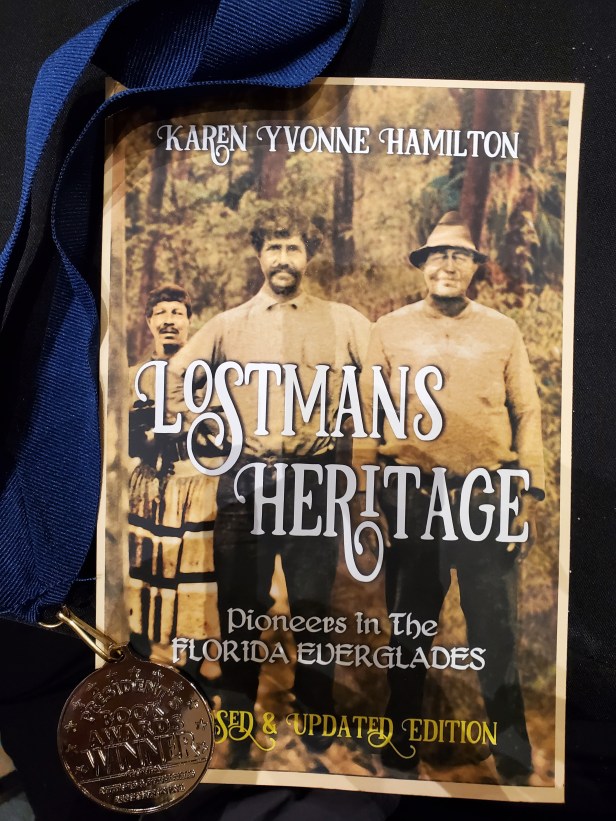
Award Winner
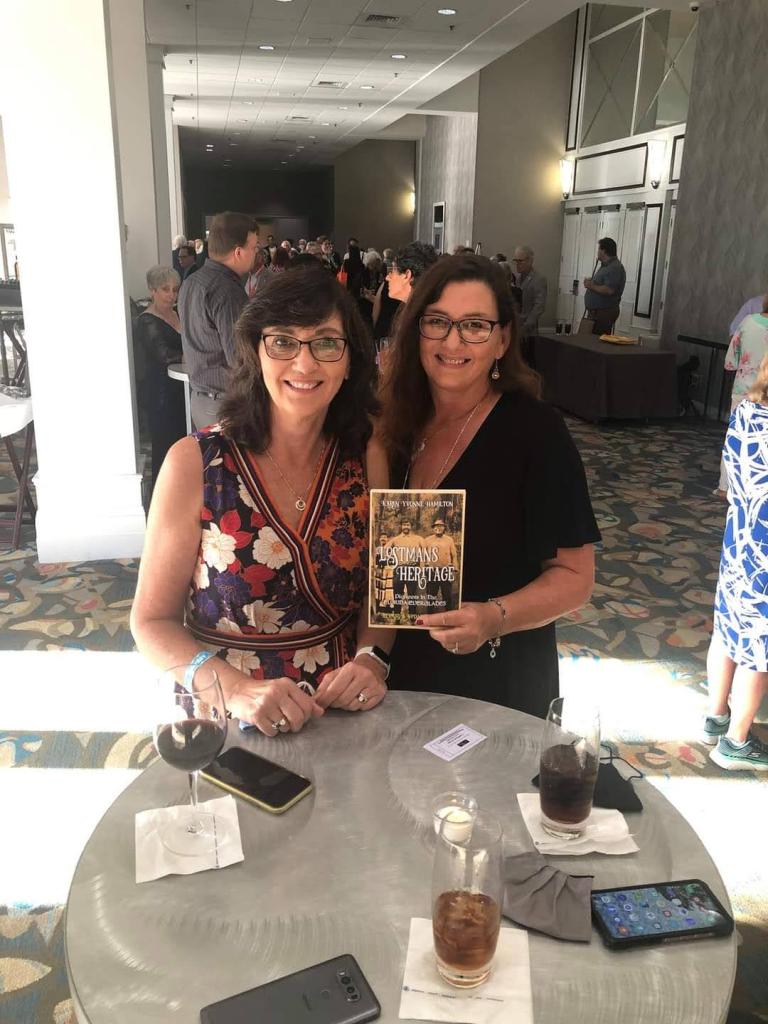
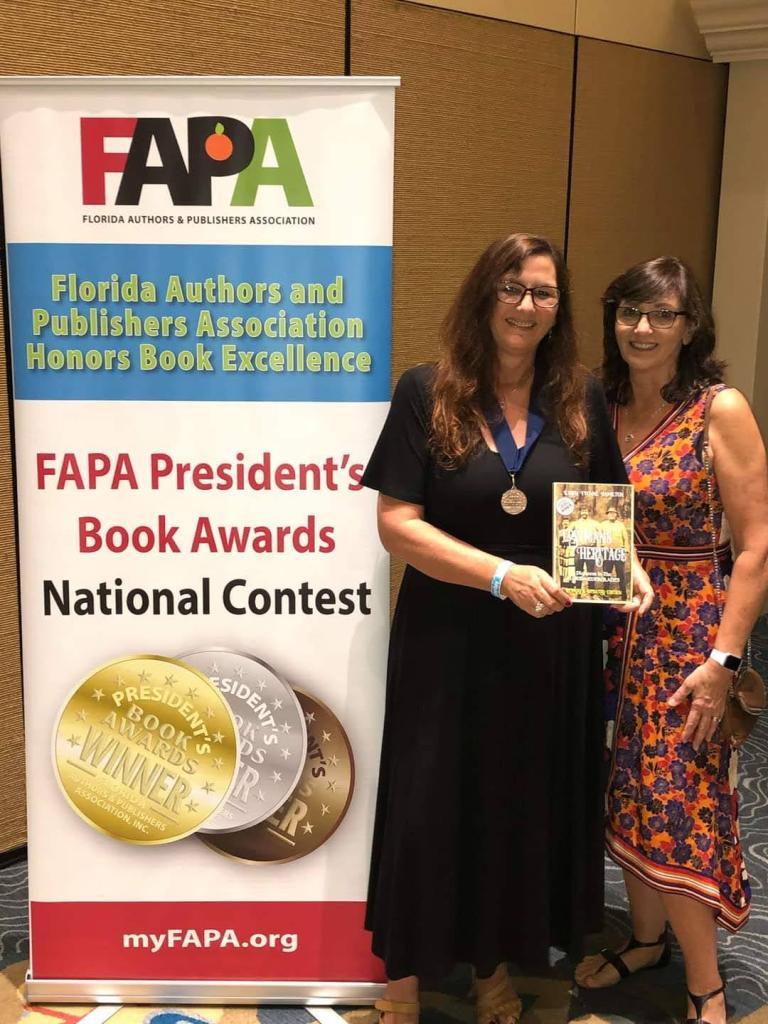
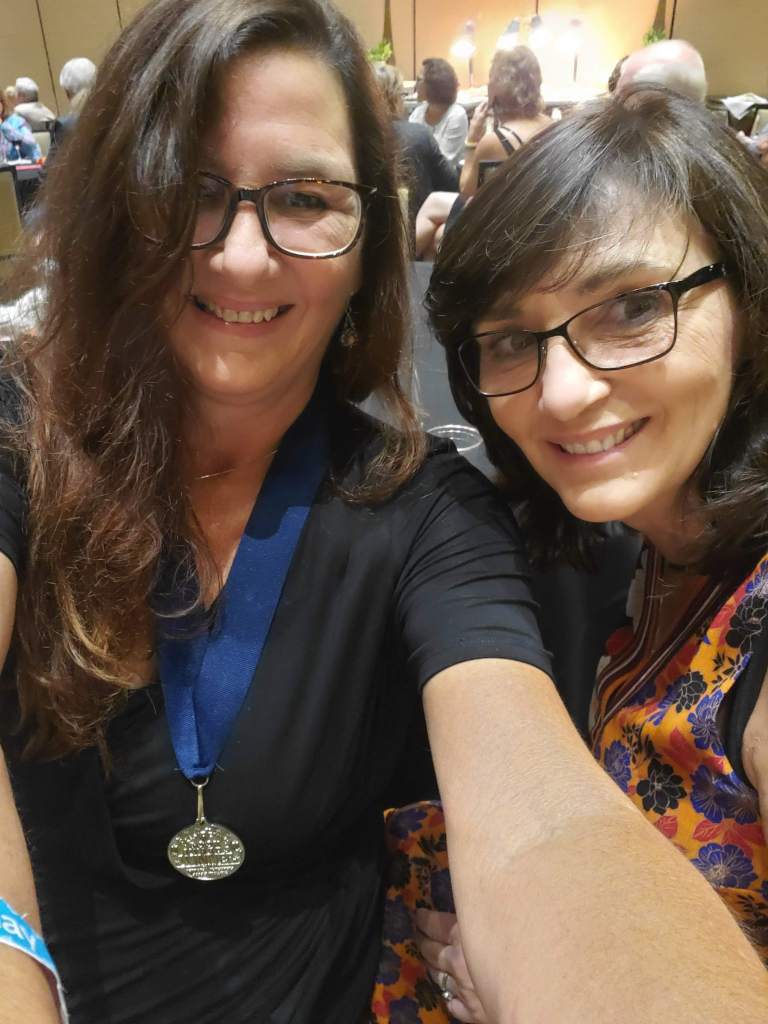
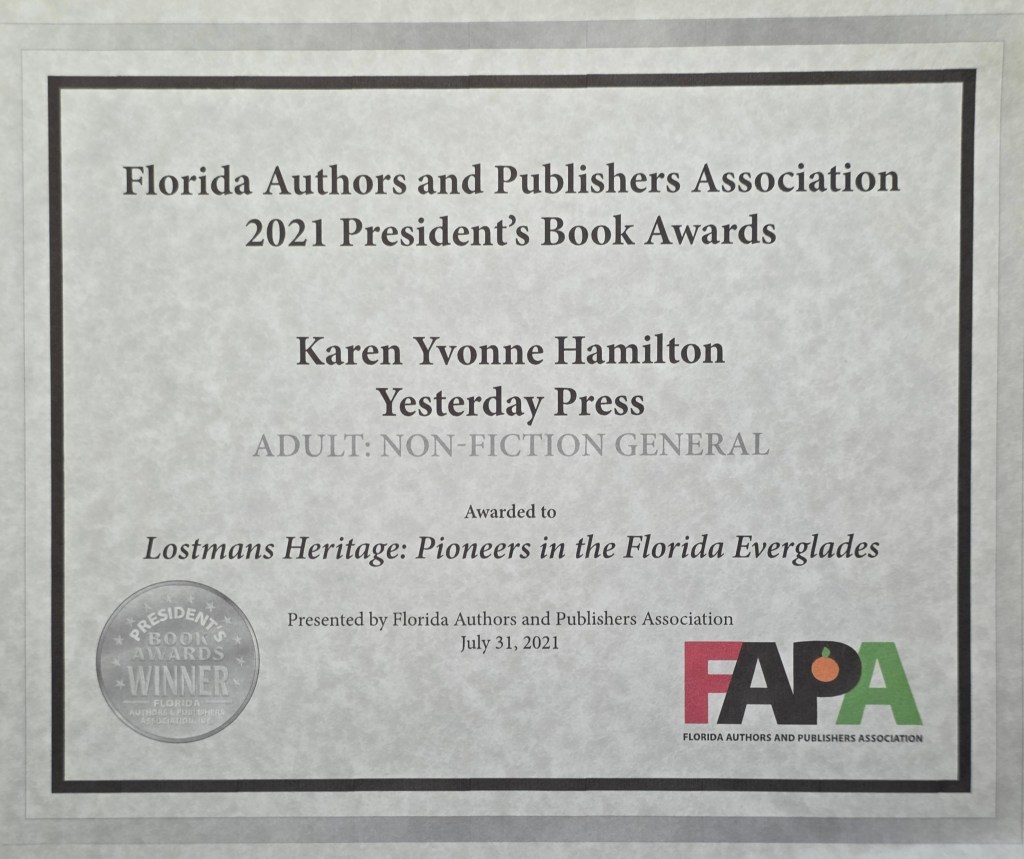
I was thrilled to win the silver medal in the 2021 FAPA (Florida Authors and Publishers Association) President’s Book Awards for Lostmans Heritage. My sister, who was my right-hand person in helping me research, edit, and publish, went with me to the awards ceremony.
Out on one of the Keys there is a large, profusely blooming Royal Poinciana tree. I was thrilled to find an old video taken in 1995 that shows that tree. Family lore says that under that tree is where Richard Hamilton is buried, along with his wife, Mary, a child, and a man from another Key.
Some say the tree is still there, but it is dead now, some 90 years later. Others say that Hurricane Irma carried it off for good. The little graveyard is so overgrown that it is near impossible to wander through it, if you can even find it. Hurricanes and government interventions tend to relocate even land in the Ten Thousand Islands. Many in our family, including me, know the exact place, the exact Key where the cemetery lies, but we’re going to keep that secret.
I kept these people and the ones who laid these souls to rest under the perpetual shade of the Poinciana in my mind while I was writing Lostmans Heritage; I wanted to tell their stories, let their ghosts speak. I felt a sense of duty, familial pride that never let me forget where I came from.
I still have a long way to go – but that is the joy of genealogy – the work is never complete. With a little ingenuity, there is always more to uncover, more fascinating roots to dig up.
Yesterday Press